Big bounce in Fosrich profit

FosRich profits rose sharply in 2018

Fosrich Group reported profit of $30 million for the June quarter, an increase of 630 percent over the $4 million reported for the prior year’s reporting period.
Profit before tax climbed to $60.6 million for the half year to June, for an increase of 144 percent over the $25 million for the similar period in 2017 and by an increase of 234% over the post-tax profit of $18 million, reported for the prior reporting period.
Having listed on the Jamaica Stock exchange Junior market in 2017, profits are now free form taxes for a period of 5 years. Earnings per stock unit ended at 12 cents for the half year and 6 cents for the quarter and should end up just around 27 to 30 cents, if the trend continues.
During the second quarter, the company enjoyed an 18.7 percent hike in income to $320 million, from $270 million for the prior year. For the half year, sales revenues were just up by 5 percent to $592 million from $565 million in 2017.
Gross profit for the quarter, rose 23 percent to $141 million from $115 million, in the prior reporting period and for the six months to June gross profit increased just 6 percent to $269 million. Gross profit margin slipped from the first quarter to 44 percent with the margin for the six months ending at 45 percent. Other income for the year-to-date benefited from foreign exchange gains of $15 million.
Administrative expenses fell $14 million for the half year, to $198 million and slipped just slightly for the quarter to $102 million from $103 million. According to the Managing Director, Cecil Foster, “the decrease was driven primarily by efficiencies gained from the management of staff and related costs, reductions in selling and marketing expenses, reduced insurance costs and reductions in damaged goods write-off and warranty expenses. The cost savings were partially offset by increases in staff training, legal and professional fees, rent and bank charges,” management indicated.
Finance cost for the year-to-date was $28.5 million compared to $19.6 million for the prior reporting period, but rose 68 percent in the June quarter to $17.5 million. “This increase is being driven by a new working capital line of credit obtained to assist with the financing of operations. This new facility was obtained at more favourable rates than the previous bank facilities,” Foster advised, in his commentary on the interim results.
Inventories rose sharply from $625 million in December to $808 million in June, receivables declined to $148 million from $156 million. Amounts due to creditors fell sharply from $297 million as of December to just $35 million. The company paid off amounts due on overseas line of credit thus reducing foreign exchange risk. The switch contributed to a sharp rise in loans from $384 million to $795 million.
“The company continues to closely manage inventory balances and the supply-chain, with a view to ensuring that inventory balances being carried are optimised, relative to the pace of sales, the time between the orders being made and when goods become available for sale, to avoid both overstocking and stock-outs. Monitoring is both at the individual product level and by product categories,” foster advised shareholders.
Part of the loans was on lent to an affiliated company that is completing an apartment complex on Shortwood Road, the managing director confirmed to IC Insider.com. The financials show $243 million due form them. The amount due incurs interest at 12.5 percent rate, Foster stated. The line allowed the company to stock up on some commodities at low prices relative to what normally obtains in the trade.
Shareholders’ equity now stands at $670 million, up from the $609 million at December 2017. Fosrich trades on the Junior Market at $2.80 on Tuesday, just around 10 times earnings.
Harris Group buys Antiguan paint business.

Harris Paints Group, the parent company of Jamaican B-H Paints, recently purchased the assets of Lee Wind Paints in Antigua.
The Harris group of companies was established in Barbados in 1972 and is one of the Caribbean’s manufacturers of architectural finishes, building products and industrial coatings.
The group expanded with the acquisition of Brandram-Henderson (B-H Paints) in 2006, a Jamaican paint manufacturer that was founded in 1961.
Harris employs over 200 people across the region, and manufactures paint in Barbados, Dominica, St. Lucia, Guyana and Jamaica. The group distributes paints and related products to over 15 countries in the Caribbean.
Ian Kenyon, CEO-Harris Paints Group, said that the company looked forward to establishing a new manufacturing facility, increasing their investment in the country and that it would provide important strategic access to new export markets such as the BVI, US Virgin Islands, as well as Turks and Caicos.
Over the past six years the Harris Group has seen consistent profitable topline growth across its operations. Kenyon said that these results were achieved despite some very challenging conditions. “The Caribbean has experienced difficult economic times in many of the markets and this has been compounded by the recent severe weather systems across the region, yet our teams in each of the 15 countries we currently sell to, have responded magnificently and have been very successful in achieving profitable market growth and increasing shareholder value. He added, “we are very optimistic about our future as we have built very strong springboards for growth with our investments in infrastructure and have a very exciting portfolio of new product and service innovations ready and primed to launch over the next few years”
This year, the Harris Group also invested and successfully implemented a new state-of-the art enterprise resource planning (ERP) system that integrates all manufacturing plants and functions across the Caribbean, including at the B-H facility in Kingston, providing improved business efficiency and a comprehensive digital platform that will strengthen their marketing capability.

Minor slip for Junior Market – Thursday

Caribbean Flavours ended trading on the Junior Market at a record closing high of $19.

The Junior Market closed trading on Thursday slightly down, even as advancing stocks beat out declining stocks more than 2 to 1 with the market index falling 3.19 points to 3,217.58.
At the close, 27 securities changed hands, down slightly from 28 on Wednesday with the prices of 13 advancing, 6 declining and 8 remained unchanged. Trading resulted in an exchange of 3,136,408 units valued at $17,262,540 compared to 2,597,222 units valued at $24,126,194, on Wednesday.
IC bid-offer Indicator|At the end of trading, the Investor’s Choice bid-offer indicator reading had 5 stocks ending with bids higher than their last selling prices, 1 closed with a lower offer.
Trading closed with an average of 116,163 units for an average of $639,353 in contrast to 92,758 units for an average of $861,650 on Wednesday. The average volume and value for the month to date amounts to 254,559 units at $1,270,673, compared to 262,510 units at $1,306,941 on the previous trading day. Trading in July, averaged 154,060 units valued at $655,146 for each security traded.
At the close of trading, Access Financial climbed $3 to end at $43, exchanging 89,300 shares, Blue Power concluded trading of 52,691 units and rose by 30 cents to $5, CAC 2000 finished 5 cents higher at $9.05, trading 100 shares, Cargo Handlers settled with 5,000 shares being exchanged and rose 80 cents to $12, Caribbean Flavours traded 18,000 stock units for a rise of $1 to a record close of $19. Caribbean Producers finished trading 173,788 units, 15 cents higher at $6.80, Derrimon Trading ended at $23.50, with 85,360 shares, Dolphin Cove concluded trading at $16.50, in exchanging 143 shares, Elite Diagnostic finished 10 cents higher at $3.10, with 487,961 stock units changing hands. Eppley settled at $10.18, with 2,100 units, Everything Fresh fell 2 cents in trading 36,501 shares to end at $2.10, Express Catering ended trading 60,253 shares, at $8.01, FosRich Group rose by 24 cents to $2.99, trading 119,884 shares, General Accident finished trading 5,000 shares, 65 cents higher at $4.45, but closed with the offer at $3.80. GWest Corporation closed at $2.18, while exchanging 11,909 stock units, Indies Pharma traded 867,462 shares but fell 10 cents to end at $2.60, Iron Rock concluded trading at $3.25, with 2,500 shares changing hands, Jetcon Corporation traded with 40,767 stock units with a loss of 8 cents at $4.02, KLE Group finished trading 600 shares and rose 25 cents to $3.30. Knutsford Express closed at $12.50, in exchanging 7,250 shares, Lasco Distributors ended with a loss of 10 cents at $3.90, after exchanging 297,318 shares, Lasco Financial concluded trading with 134,226 stock units at $5.80, Lasco Manufacturing finished 10 cents higher at $4, with 582,909 units changing hands. Main Event settled 11 cents higher at $7.11, trading 11,000 shares, Paramount Trading traded 3,872 shares with a loss of 40 cents at $2.60, Stationery and Office finished trading 30,314 stock units with a loss of 20 cents at $8.15 and tTech ended 10 cents higher at $5.20, with 10,200 shares changing hands.
Prices of securities trading for the day are those at which the last trade took place.

Grace performance slips in Q2

Grace Kennedy HQ

Grace Kennedy reported revenues of $48.4 billion, an increase of 4.3 percent or $2 billion over the corresponding period of 2017 for the half year to June, “driven largely by growth in its Food Trading and Insurance segments.” Don Wehby stated in a release following the release of the interim results.
Net profit for the period was $2.5 billion, an increase of $266 million or 12.2 percent compared with 2017. After minority interest net profit rose by 14 percent to $2.15 billion but by just 9 percent in the second quarter to $959 million from $881 million in 2017.
Second quarter sales revenue grew just 3.85 percent to $22.44 billion, a slower pace than the first quarter’s 6 percent. Other income rose a strong 60 percent to $718 million in the quarter over the prior year, and 61 percent for the half year, to $1.45 billion. Interest income was slightly down to $1.13 billion and $2.25 billion in the quarter and half year period respectively, over the similar periods in 2017.
Total comprehensive income a better measure of managements stewardship, more than doubled in the second quarter to $1.338 billion from $625 million in 2017 but slipped slightly to $2.39 billion for the half year.
The Group reported that its Food Trading segment experienced growth in revenue and pre-tax profits over the corresponding period of 2017. This was due to improved performance in the domestic foods business as the local economy picks up and now showing stronger growth. While showing an increase in revenue over prior year, the Company’s international foods business experienced a decline in pre-tax profits compared to the corresponding period of 2017, primarily due to the performance of Grace Foods UK.

Grace Kennedy products

Financial Group experienced mixed fortunes during the period, as the Money Services and Banking and Investments segments both experienced decline in revenue and pre-tax profits, while the Insurance segment grew revenue and pre-tax profits over the corresponding period of 2017. The performance of the Money Services segment was due to a reduction in transaction volumes in the remittance business in Jamaica stemming from the implementation of enhanced compliance measures.
Grace’s financial position remains strong with Shareholders equities of $46.35 billion and the company’s stock traded at $58.50 on Friday with a PE of 11 based on IC Insider.com’s earnings estimate for 2018 of $5.40. The PE is lower than the market’s average of 13.5 and with IC Insider.com forecasting average PE to reach 17 by late this year or early next year, the stock has room for growth.
Grace approved the payment of an interim dividend of 45 cents per stock unit, payable on September 26, an increase of 18 percent from the 38 cents per stock unit paid to stockholders in September last year. Group CFO Frank James said, “This brings the dividends declared to date to approximately $844 million, an increase of 25 percent or $169 million over the corresponding period in 2017.”

Understanding Jamaica’s fx market part 3

Stanley Motta list Wednesday

58 Half Way Tree Road owned by Stanley Motta.

After more than a month from closing of initial public offering (IPO) in July, Stanley Motta will be listed on the main market of the Jamaica Stock Exchange on Wednesday.
The company successfully raised $4 billion from the sale of 757,818,862 ordinary shares to the public at $5.31 each. The shares will start trading after the listing of the company when trading commences at 9:30 in the morning. NCB Capital Markets, was the lead arranger and broker for the initial public offering that closed on July 20. The issue was just subscribed to, with NCB Capital Markets picking up a relatively small amount of the units.
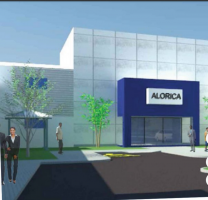
The Stanley Motta own property at 58 Half Way Three Road in Kingston comprises  200,000 square feet rentable space, is said to be the Caribbean’s largest technology park, which is set to employ more than 5,000 Jamaicans within the Business Process Outsourcing (BPO) and technology industry, working for international brands like Alorica and Amazon.
Rental income for a full year is likely to be in the order of US$2.5 million with most expenses picked up by tenants, it should net out around the same amount tax free. The yield on investment will translate to just under 7 percent.

Cost control boost Purity’s profit

Consolidated Bakeries (Purity) recovering from 2017 loss

Cost fell and profit margin rose at Consolidated Bakeries in the June quarter, this year, as the company put in a vastly better performance in the quarter than for the similar period in 2017.
For the half year, administrative, selling and distribution cost rose just 2 percent to $166 million but declined 6 percent to $79 million in the June quarter. While sales revenue grew 10 percent for the six months to $493 million and less than one percent to $221.5 million in the latest quarter. Input cost climbed just 3 percent for the half year, compared to 2017 and fell 4 percent for the quarter, giving rise to increased profit margin in the first half of the year to 38 percent, from 34 percent in 2017 and in the June quarter, to 35 percent from 31 percent in the year ago period.
Profit rose from a loss of $8.5 million in 2017, for the six months to June, to a profit of $22.6 million this year and earnings per share of 9 cents, but the company is reporting a loss of just $891,000 after tax credit of $128,000, a big improvement over the loss in the prior year’s quarter of $14 million. Full year’s profit should end at around 17 cents per share. If achieved, it would be the first time since the year it listed that profit has been this high.
Administrative expenses fell 13 percent to $42 million in the quarter and increased marginally in the six months period to $92 million from $91.6 million. Distribution and sales expenses declined 4 percent to $33 million. Finance cost rose in the quarter, to $3.6 million from $812,000 in 2017 and from $2.5 million to $6.8 million for the half year.

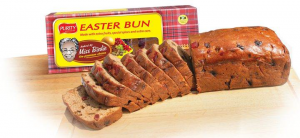
Consolidated Bakeries Miss Birdie Easter bun.

Gross cash flow brought in $38 million but growth in receivables, inventories, addition to fixed assets of $35 million offset by loan inflows and increased payables position ended at a negative $3 million. At the end of June, shareholders’ equity stood at $736 million with borrowings at just $115 million. Net current assets ended the period at $100 million inclusive of trade and other receivables of $96 million, cash and bank balances of $99 million. Current liabilities ended the period at $140 million.
The stock traded at $2.17 on the Junior Market of the Jamaica Stock Exchange with a PE ratio of 12 times 2018 earnings. Net asset value is $3.31 with the stock selling at just 66 percent of book value. The company is the only Junior Market stock to be selling at a discount to net asset value. This means management has a lot of work to do to break even and much more to reach the average of the market of a premium of more 400 percent.

JSE stocks retreat from Thursday’s record

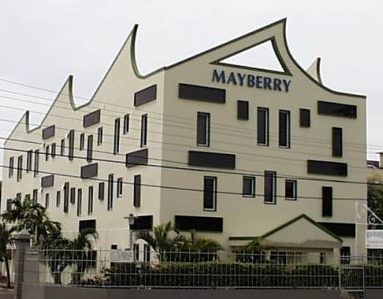
Mayberry Jamaican Equities traded 1M shares & the price hits a new high of $10 but retreated by Friday’s close.

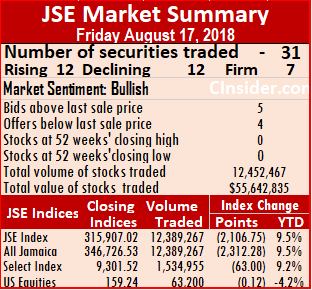
The All Jamaican Composite Index of the Jamaica Stock Exchange and the JSE index fell more than 2,000 points as main market stocks retreated from Thursday’s record close as the market set its sight on breaking through the 350,000 mark this coming week.
At the close, the All Jamaican Composite Index dropped 2,312.28 points to 346,726.53 and the JSE Index dived 2,106.75 points to 315,907.02. Market activities resulted in 31 securities trading including 3 in the US dollar market compared to 27 securities trading on Thursday.
At the end of trading, the prices of 12 stocks rose, 12 declined and 7 traded unchanged. Trading in the main market ended with 12,389,267 units valued $54,066,117, compared to 7,549,926 units valued at $378,631,059 on Thursday.

The day’s volume was led by, JMMB Group 7.5% preference share concluded trading at $1.03, with 8,590,090 shares with 69.3 percent of the traded volume, followed by Mayberry Equities that closed at $9 in trading 1,046,000 shares, for just 8.4 percent of the day’s volume after trading at an intraday high of $10 and Supreme Ventures with 604,043 units and 4.9 percent of the main market volume.
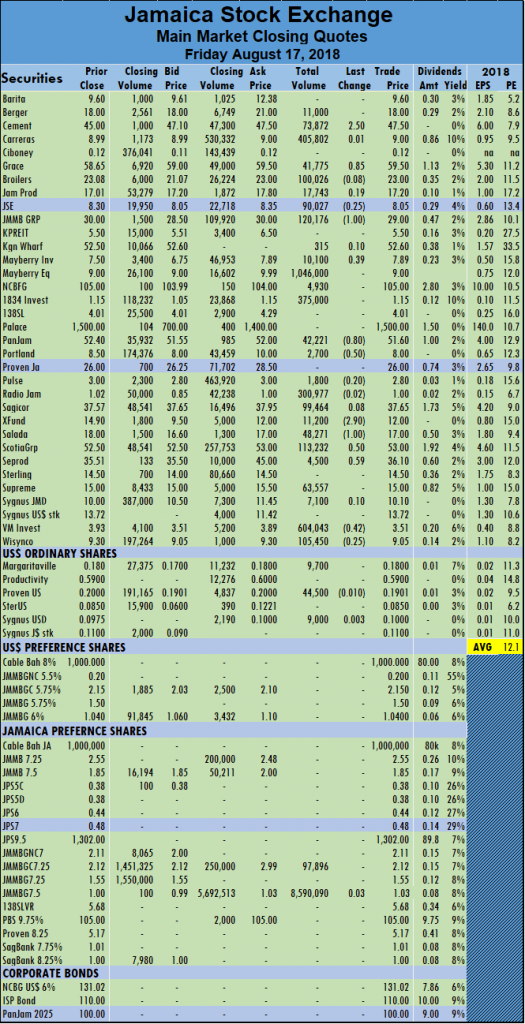
Stocks with major price changes| Caribbean Cement jumped $2.50 and finished at $47.50, trading 73,872 shares, Grace Kennedy rose 85 cents and ended trading at $59.50, with 41,775 shares, JMMB Group lost $1 and ended at $29, exchanging 120,176 shares, Mayberry Investments gained 39 cents to settle at $7.89, with 10,100 units, PanJam Investment fell 80 cents and concluded trading 42,221 shares and closed at $51.60, Portland JSX lost 50 cents and ended at $8 trading 2,700 units, Sagicor Real Estate Fund dived $2.90 to $12, with 11,200 shares, Salada Foods shed $1 to close at $17, in exchanging 48,271 units, Scotia Group rose 50 cents in traded 113,232 shares to close at $53,  Seprod finished trading 4,500 shares, and gained 59 cents to close at $36.10, ended at $15, with 21,164 shares after losing 30 cents, Victoria Mutual Investments lost 42 cents in concluding trading at $3.51, with 604,043 stock units and Wisynco Group fell 25 cents and finished trading 105,450 shares to end at $9.05.
Trading in the US dollar market closed with Margaritaville traded 9,700 shares and ended at 18 US cents Proven Investments trading 44,500 shares, falling 0.09 cent and closed at 19.01 US cents and Sygnus Credit Investments traded 9,000 shares and rose 0.03 cent to 10 US cents. The JSE USD Equities Index slipped 0.12 points to end at 159.24.
Trading resulted in an average of 492,474 units valued at over $1,930,933, in contrast to 290,382 shares valued at $14,562,733 on Thursday. For the month to date an average of 231,530 shares valued at an average of $4,665,985 versus 211,092 shares valued at an average of $4,956,066 on Thursday. July closed with an average of 169,022 units valued at $3,514,756, for each security traded.
IC bid-offer Indicator| At the end of trading, the Choice bid-offer indicator reading shows 5 stocks ended with bids higher than their last selling prices and 4 closing with lower offers.

Watch Lasco Financial

Lasco Financial connected parties recently purchased 15 million shares.

When persons connected with the management of a listed company trade shares in the company other investors are well advised to take note.
In some cases it means nothing, but in others it can be a telltale sign of things to come. One such trade that could be telling is embodied in a release to the Jamaica Stock Exchange by Lasco Financial Services that advised that eight connected parties purchased a total of 15.05 million shares in the company on August 9. The average price of the stock on the day the block traded, was $5.29, placing a value on the block of more than $75 million, that is no small change and is more likely than not to be a vote of confidence in the future fortunes of the company.
The purchase takes place after generating revenues of $555 million, $235 million or 74 percent more than the corresponding period in 2017 and importantly, grew $55 million over the $500 million generated in March quarter and may be suggesting the possibility of quarterly growth going forward for a while. Profit before taxation, jumped 62 percent to $132 million from $81 million in 2017. Profit after tax ended the quarter 50 percent higher than the year before at $101 million and could end up around $500 million for the full year for earnings per share around 40 cents.
The strong increase in revenues and profit comes from continued growth from the original business lines and was boosted by the acquisition of CrediScotia business in late 2017.
Profit before loan Interest more than doubled from $83 million to $172 million but funds borrowed to purchase the CrediScotia portfolio pushed interest cost to $41 million up from just $2 million in 2017.
At the end of the quarter, loans and receivables was at $1.8 billion with the majority being loans and the company borrowed $1.5 billion to help fund the acquisition and provide working capital. Shareholders’ equity was $1.47 billion.
This one is worth watching keenly as a long term buy with the large profit margin in lending.

Record profit for Palace Amusement

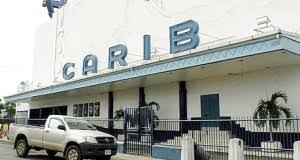
Carib Cinema, the flagship for Palace Amusement.

Black Panther delivered record profit for Palace Amusement Company, the full year’s results show. Palace reported profit after tax of $152 million up from just $33 million for the full year in 2017 and earnings per share of $96.58.
For the final quarter the company posted profit of $102 million compared to just $28 million in 2017 but a $61 million gain on sale of the Harbour View property added $61 million to the company’s bottom-line. Revenues climbed nicely by 17 percent to $1.67 billion that flowed from a 25 percent rise in patronage income at Carib in Kingston 27 percent increase at Cineplex located in Kingston and just 11.5 percent at Montego Bay Multiplex.
The major contributor to the rise, was the blockbuster film Black Panther that ran from February to May this year. In the June quarter revenues rose 10 percent to $330 million and would have been generated form increase patrons coming to the movies. Cost rose with direct expenses climbing 13 percent for the year and 7 percent in the quarter while administrative cost was up 19 percent for the quarter and 10 percent for the year.
Palace ended the year with cash and bank balances of $284 million up from $141 million in 2017. The stock last traded on the main market of the Jamaica Stock Exchange at $1,500 at a PE of almost 15.