Iron Rock’s first profitable quarter

Iron Rock hits 52 weeks’ high of $4.07 on Friday.

Improvement in its bottom-line of Iron Rock Insurance continued into the September quarter, with profit of $1.1 million, the first quarterly profit in its short history. For the nine months’ period, the company suffered a loss of just $7.6 million down from $60.4 million in 2017.
For the quarter, gross premium income (GPI) increased to $99.4 million from $83.9 million in 2017 with net premium written of $41 million and net earned premium of $48.3 million. For the nine months of 2018, GPI grew 48 percent to $382 million, up from $257 million in 2017 and net earned premium increased 272 percent to $129 million from just $47 million in 2017.
Operating expenses inched up to $36.5 million in the quarter from $35 million in 2017 and grew 11 percent to $111 million from $100 million in 2017. Insurance claims jumped to $23 million from $12 million for the quarter and $61 million for the nine months, from $34 million last year.
Other income totaled $13.5 million for the quarter, from $10 million previously and $35 million for the period to September, versus $24 million. The company is projected to end the year with an overall profit.
Shareholders’ equity now stands at $525 million, down from $512 million at the end of September last year. Cash and investments now amount to $617 million, while Insurance liabilities, claims and other payables amount to $373 million.
The stock now trades on the Junior Market of the Jamaica Stock Exchange at $4.80.

More profits & stocks for WI Tobacco

Watch Witco stock in coming days

Pretax profit increased 10.2 percent at Trinidad based West Indian Tobacco to $438.7 million, for the nine months to September 2018, over the similar period in 2017 while Profit after tax increased 10 percent to $303 million over 2017, from increased revenues of 9.5 percent to $862 million from $787 million.
For the September quarter, revenues grew 6.4 percent to $292 million from $274 million and resulted in profit after tax rising 12.5 percent to $109.6 million. The company benefitted from improved gross profit margins in both periods, with 65 percent in the quarter versus 61.5 percent in 2017, while the nine months improved to 61.8 percent from 60.44 percent in 2017. Distribution cost more than doubled to $8.4 million in the quarter from $3.5 million in 2017 and rose sharply from $9.9 million in 2017 to September to $18.7 million. Administrative and other operating expenses declined for the quarter to $18 million from $23.7 million while the nine months rose from $68 million to $77 million.
Profit for the 2018 fiscal year, declined to $380 million from $515.5 million in 2016 as increased taxation on profits and cigarettes negatively impacted sales and the results.
Earnings per share for the quarter amounted to $1.30 and $3.60 for the nine months, with the full years likely to exceed $5 and resulting in a PE ratio of 18 times earnings.
The stock will be split into three shares for each existing one held by shareholders and will make the price and liquidity going forward, more attractive for investors. The stock last traded at $90 on the Trinidad and Tobago Stock Exchange.
The Board approved the payment of a third interim dividend of $1.17 per ordinary share payable on 26 November 2018, to shareholders of record at close of business on November 5.

Republic Bank lands closer to Jamaica

Republic Bank traded at a 52 weeks’ high.

There has been rumors that Trinidad and Tobago’s Republic Financial is eyeing Jamaica to set up some form of operation. The name was initially mooted earlier this year, when the financial market was abuzz with an ownership change.
Boxed in by the tight economy in its own base of Trinidad and Tobago, Republic is on the prowl and Jamaica with the brightest economic prospects since the 1960s, cannot be off their radar. Keep a watch on this space.
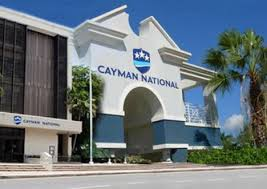
In 2015, they bought the majority shares in HFC Bank in Ghana, they announced last week that as of the end of business on Friday, 12 October 2018, they received acceptances for a total of 22,934,246 ordinary shares of Cayman National, representing 54.15 percent of the ordinary shares, making them a subsidiary of the republic group.
In September, Republic made an offer to acquire a minimum of 51 percent and up to 74.99 percent of the ordinary shares of Cayman National to their shareholders at US$6.25 per share. The consummation of the acquisition remains subject to certain other conditions including, without limitation, receipt of necessary government and regulatory approvals. Republic stated that it is committed to purchase up to 74.99 percent of the ordinary shares of Cayman National. The Offer was scheduled to expire on Monday October 22 but is extended to Monday November 12, 2018, pursuant to the rules of the Cayman Islands Stock Exchange, and to accommodate an Extraordinary General Meeting of the shareholders of Cayman National to be held on Wednesday, 7 November 2018 to amend the articles of the bank.
The Republic Financial has off shore operations in Cayman Islands since 1992. Republic Bank (Cayman) is a private bank offering a comprehensive wealth management service to its clients.
Republic reported profit of $343 million for the June Quarter up from $328 million in 2017 and for the nine months to June $993 million versus $959 million in 2017. Shareholders’ equity stood at $9 billion and total assets of $70 billion with loans advanced to customers of $36 billion. As of June this year, Cayman National Bank had CI$1.56 billion with shareholders equity of $114 million. Profit was $16.4 million up strongly from $11.7 million in 2017. Republic purchased the shares at a PE around 10 times 2017 earnings and that should translate to a higher stock price for republic that sells around a PE of 13 currently. Republic will be able to cut operating cost at the new subsidiary as they can share in certain services that are common to both entities.

Junior Market drops points

Blue Power ended trading at a new record closing high.

The Junior Market Index slipped 10.99 points on Tuesday to close at 3,309.59, with 23 securities traded, the same as on Monday, as 9 advanced, 10 declined and 4 remained unchanged.
IC bid-offer Indicator| At the end of trading, the Investor’s Choice bid-offer indicator reading jumped sharply to 8 stocks ending with bids higher than their last selling prices, while 2 closed with lower offers.
The market traded a mere 549,331 units valued at $2,101,338 compared to 1,064,667 units valued at $4,531,797 on Monday.
Trading ended with an average of 23,884 units for an average of $91,363 in contrast to 46,290 units for an average of $197,035 on Monday. The average volume and value for the month to date amounts to 69,570 units valued at $318,595 and 72,158 units valued at $331,468, previously. September, ended with an average of 484,335 at $2,628,299 for each security traded.
At the close of trading, Blue Power concluded trading of 2,764 units as the price rose 54 cents higher to end at record closing high of $7.04, Cargo Handlers settled 26 cents higher at $13.75, in the swapping of 1,406 shares, Caribbean Producers finished trading 29,732 units and the price climbed 9 cents to $6.84, Consolidated Bakeries closed 30 cents higher at $2.30, with 4,612 shares changing hands, Derrimon Trading ended with a loss of 2 cents at $2.80, trading 69,406 shares. Dolphin Cove concluded trading of 5,000 shares at $17, Express Catering ended trading 15,327 shares, with a loss of 20 cents at $8.30, FosRich Group traded just 516 shares with a loss of 10 cents to close at $3.80, General Accident finished trading 3,010 shares with a loss of 25 cents to $3.70. GWest Corporation closed with a loss of 25 cents at an all-time low of $1.55, with 54,823 stock units changing hands, Honey Bun ended 5 cents higher at $4.05, exchanging 5,906 units, Indies Pharma gained 9 cents to end at $2.95 with 220,937 shares changing hands. Jamaican Teas settled 10 cents higher at $4.10, while trading 8,857 shares, Jetcon Corporation ended the trading of 4,872 stock units with a loss of 40 cents at $3.50, Knutsford Express closed at $12, with 3,000 shares changing hands, Lasco Distributors ended with a loss of 6 cents at $3.94, in swapping 56,009 shares, Lasco Financial concluded trading of 12,365 stock units with a loss of 15 cents at $5.30, Lasco Manufacturing finished with a loss of 26 cents at $3.50, in exchanging 2,894 units. Main Event settled 5 cents higher at $6, with 13,581 shares trading, Medical Disposables ended trading at $7.20, with 18,100 shares changing hands, after it traded at $9.50, SSL Venture Capital traded 13,416 shares at $2 and Stationery and Office finished trading 40 cents higher at $9.90, with just 2,533 stock units. In the junior market preference segment, Eppley 8.25% preference shares ended trading of 265 units lost 5 cents to close at $6.06.

Prices of securities trading for the day are those at which the last trade took place.

Big boost for Access from new Acquisition

In its quest for continued growth by acquisition Junior Market listed Access Financial Services announces yet another prospective acquisition.
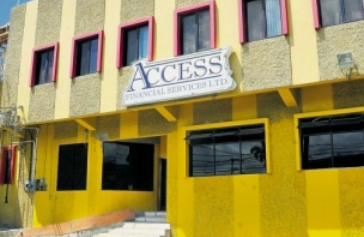
The micro lender has indicated that it has reached an agreement to acquire a Florida based consumer finance company. The release by the company states that the successful completion of the acquisition expected to be completed in 90 days, is subject to satisfaction of all conditions of the purchase agreement and applicable legal and regulatory approvals.
Usually reliable source indicates that this acquisition when concluded will swell Access assets by US$8 or J$1 billion and will increase Access size by 25 percent. Estimated revenues should be approximately US$4 million per annum at the present level of business. The business is based on lending, for up three months with loans usually under US$1,000. The loans are collateralized by motor vehicles titles. The entire loan process is done on line thus requiring limited staffing. According to a report online, “today in Florida, we have car title loan clients achieving 90 percent to 140 percent per annum on their loan portfolios.”

Access Financial

This acquisition when completed will bring to 5, the number of entities Access acquired since 2015. In 2017, the loan portfolio, fixed assets and trade name of Micro Credit Limited. In 2016, Access purchased the business of Damark Limited comprising mainly the loan portfolio, fixed assets, trademark for $180 million. In 2015, Access acquired the loan portfolios of Asset Management Company, formerly operated by Scotia Investments.
Access recorded net profit after tax of $217 million from revenues of $457 million for the quarter ended June this year up 16 percent over net profit of $188 million for the corresponding period in 2017. Total assets at June, amounted to $3.86 billion.
The company’s stock is listed on the Junior Market of the Jamaica Stock Exchange and last traded at $45.50.

Profit jumps 56% at Knutsford Express

Knutsford Express posted strong gains in profit for Q1.

After more than a year when Knutsford Express traded at elevated levels, things are on the mend but investors in the stock may still have to wait to see their investment paying off with much increase in the stock price.
The company’s latest results is encouraging that investors’ wait for full recovery of the price may not be far away. Profit jumped 56 percent in the August quarter to $88 million from $57 million in 2017 from Sale revenues that rose 23 percent for the quarter to $293 million from $237 million in 2017.
The company still has not provided investors with relevant information to be able to see what gross profit margin they are enjoying to better determine how well the operation is being managed.
Expenses rose at a slower pace than revenues, climbing 16 percent to $211 million from $181 million. Earnings per share rose to 18 cents for the quarter, up from 11 cents on 2017. IC Insider.com is forecasting 75 cents per share. The stock traded at $11.5 on the Junior Market of the Jamaica Stock Exchange, with a PE ratio of 15 times 2019 earnings.
Gross cash flow brought in $108 million but growth in receivables, inventories, addition of $61 million to fixed assets net cash flows used up just $4 resulting in with cash and bank balances of $134 million plus short term investments of $96 million. At the end of August, shareholders’ equity stands at $714 million with borrowings at just $71 million. Net current assets ended the period $280 million well over Payables of $34 million.

Early Xmas gift for Seprod stakeholders

Seprod shares being sold at $24 each.

Shareholders of Seprod and management and directors are in for an early Christmas present as Facey Group on Behalf of the International Finance Corporation offers 91,914,894 shares for sale at a price well below the level the stock has been trading at in recent times.
The offer is being made to the public but 55 million shares are reserved for staff, managers, executives, directors and former directors and shareholders of Seprod including Facey Consumer staff.

The offer is at a discounted price of $23.99. Last week the stock traded as high as $62 as limited selling of the stock in the market led investors to bid the price up to acquire some that were on sale, but pulled back to $49.50 on Friday and traded at $39 on Tuesday as investors reacted to the offer.
Up to 30 million shares are reserved for staff, managers, executives, directors and former directors of the Company and its subsidiaries. 15 million shares are reserved Shares for shareholders of the company (with JCSD accounts) as at August 31 and 10 million shares are reserved for the Lead Broker.
According to a spoke person for the Facey Group, the shares are a part of the shares that were acquired when the Company has reached an agreement with Seprod to acquire the consumer business consisting of distribution of consumer and pharmaceutical products in Jamaica earlier in the year. As part of that arrangement, Facey Group holding in Seprod was restricted to less than 50 percent and the shares being offered for sale was held as nominee on

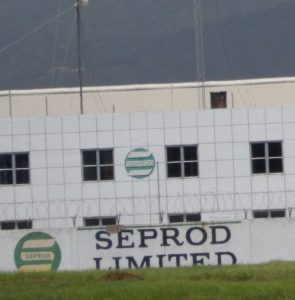
Some of Seprod,s product

behalf of International Finance Corporation who had invested in the group as a part of an agreement for them to continue to recover their investment when an IPO was effected. The shares were priced at the time they were initially issued when they were trading at $28, IC Insider.com was advised.
For the six months ended June 2018, Seprod generated revenues of $10.44 billion, an increase of $2.07 billion or 25 percent over the corresponding period in 2017. Net profit increased 29 percent for the period to $598 million in the 2017 period. The 2018 results are bolstered by the transfer of the former Jamaican dairy operations of Nestle within the Group effective January, this year.
The directors’ report stated that, “had these operations been included in the Group’s results in 2017, the increase in revenues for the six months ended 30 June 2018 would have been $1.20 billion or 13 percent and the increase in net profit would have been $77 million or 15 percent.”
For the June quarter, revenues rose 33 percent to $5.48 billion with gross profit rising sharply to 36 percent from 24 percent in 2017, with gross profit hitting $1.96 billion and profit after tax coming in at $325 million attributable to Seprod’s shareholders, 37 percent ahead of the 2017 out turn.
Based on the expansion of Seprod foot print and new ventures recently entered into, the future of the group seems solid and this could be bettered if they can put the ongoing losses of sugar behind them.

Mayberry Equities profit rises

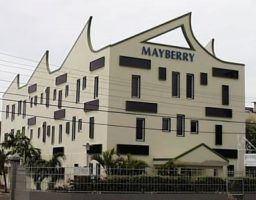
Mayberry Investments

Strong growth in the Jamaican stock market drove the net assets of Mayberry Jamaican Equities to $15.6 billion at the end of September from $7.4 billion at September last year and from $8.9 billion at the end of December.
Mayberry reported an after-tax profit of $250 million for the September 2018 quarter, up sharply from $65 million in 2017. For the year to September this year, profit rose to $690 million from just $84 million in 2017 but a strong increase of $615 million in the September quarter and $1 billion year to date were the main drivers of the increased results in 2018. The performance resulted in Earnings per share of 21 cents for the quarter and 57 cents for the nine months.
Total comprehensive income for Q3 amounted to $4.25 billion, compared to $295 million for the corresponding quarter of 2017 and the booking of $6 billion for the nine months period reflecting gains from stocks held in the portfolio.
Net Revenues increased to $658 million from just $23 million in the 2017 quarter and is up to $1.26 billion for the nine months to September from a mere $32 million for the similar period in 2017.
Unrealized gains on investment, accounted for the bulk of the income while dividend Income amounted to $69 million in the quarter versus $29 million in 2017 and for the year to September, $296 million versus just $65 million in 2017. The addition of Supreme Ventures to the portfolio would have contributed in a major way to the increase.
Operating expenses increased to $390 million in the quarter from $8 million in 2017, for the year to date it moved to $548 million from $36 million in 2017 due to incentive and management fees for Investment management services and, also, Legal and Professional fees for a corporate loan of $2.2 billion acquired to expand the equity portfolio.
At the end of the quarter the company had cash funds of $1.37 billion and investments of $16.95 billion and amounts due creditors of $482 million and Net Book Value per share moved to J$13.01, at September 30 but fell by October 5, 2018 to $11.96, the company reported on the website of the Jamaica Stock Exchange.
The company’s portfolio comprises 31 securities including, Lasco Financial Services, Caribbean Producers, Blue Power, Iron Rock Insurance and Supreme Ventures.

Prestige profit slips & slides

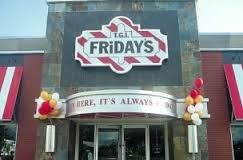
Prestige Holdings brand – TGIF

Profit at Trinidad’s fast food franchise operators, Prestige Holdings fell a sharp 35 percent to TT$7.7 million for the quarter ending in August, compared to $11.8 million for the similar period in 2017 as economic pressures continued to affect the Twin island state of Trinidad & Tobago, where the bulk of the income is generated.

The operation includes, Prestige Holdings’ of KFC, Pizza Hut, Subway and Starbucks, Weekenders Trinidad Limited (TGI Fridays Trinidad) and Prestige Restaurants Jamaica, (TGI Fridays Jamaica).
Revenues slipped in the quarter to $268 million from $273 in 2017 quarter, dragging down gross profit to $90 million versus $95 million in the 2017 period, as cost of sales remained flat at roughly $178 million in both periods.
For the nine months to August, revenues increased a mere 1 percent to $790 million and profit after tax declined 24 percent to $21 million, from $27.7 million in the previous year. For the 2017 fiscal year, the company reported $32.9 million in after tax profit, from revenues of $1.04 billion.
Earnings per share for the nine months ended at 34 cents compared to 45 cents for the same period in 2017. The results were generated from an average number of 123 restaurants, the company stated in a release with the quarterly results.
Other operating expenses were flat in the quarter but rose moderately, by just $5 million to $170 million for the nine months. Administrative expenses edged up slightly, in both the quarter and year to date period, to $20.6 million from $20 million and from $61 million to $63.7 million respectively.
According to the Chairman, Christian Mouttet in his report to shareholders, “our less than stellar performance for the nine months of 2018, as mentioned in my Half Year Report, has been driven primarily by higher costs, a still recovering local economy and consumers who are very price and value sensitive. As mentioned then, we are implementing initiatives and making changes to our operations that over time will improve our performance and strengthen our business. Additionally, we opened our tenth Pizza Hut restaurant in Princes Town on 1 October 2018.”
“We do not anticipate any significant changes in the macroeconomic environment in the short term and expect to finish the year broadly in line with the previous nine months.”
The Board approved an interim dividend of 12 cents per common share (2017 – 14 cents) to be paid on October 31.
Prestige closed the period with shareholders’ equity of $290 million, Current assets of $131 million and Current liabilities of $131 million. Non-current liabilities amounted to $54 million. The stock closed at $7.52 or a PE ratio of 17 on the Trinidad & Tobago Stock Exchange on Monday.

Gwest’s share issue response inadequate

The response by GWest the issue of preference shares is inadequate and they still have a number of questions to answer about the issue and the lack of disclosure in the prospectus and the audited financial statements.
The openness of directors with their investors is critical in cementing trust between them. A prospectus is a contractual invitation to the public to purchase shares in the offering company. It requires that full disclosure of all material information is made, so that prospective investors can make rational decisions pertaining to the shares being offered for sale. Any rational person reading GWest prospectus would come to the conclusion that the only matter agreed on at the extra-ordinary meeting of November 27 was that which was disclosed in section Page 45 of the prospectus which list details of the “Recent Capital Restructuring of the company to be as follows”:
“At an extraordinary general meeting the shareholders of the Company approved the following actions in respect of the capital structure of the Company: The re-registration of the Company as a public company in accordance with the Companies Act, adopting new Articles of Incorporation for that purpose:”
a)”The increase of the authorized share capital. (b)The subdivision of each Share”
“The disapplication of any pre-emption rights, howsoever arising, for the purposes of the issue of new Shares for subscription. The conversion of all fully paid Shares to stock on issue.”
There is no mention of the issue of any other type of share. Any decision to issue other shares should have been disclosed in this section if a meeting took place before the date of the prospectus.

Dr. Konrad Kirlew, chairman of GWest.

The fact that it was not, is the clearest sign that there was inadequate disclosure of important and material information and that the issue of preference shares after, should not stand before approved by a meeting of the new owners.
The vast majority of Junior Market companies have limited administrative staff, as such all the skill set to properly run them are not in their employ. The end results is that mistakes are made and will continue to be made. Recognizing, that most of them don’t have the knowhow of running a public company, the JSE created the creature called a Mentor, but not even that seems to be adequate to fill the breach.
According to the company in a release to the JSE, “Sections 18 and 19 in the November 2017 GWEST Prospectus specifically disclosed that shareholders loans were to be converted to preference shares, thereby reducing the servicing cost to the Company: Shares in the capital of the Company are under the control of the Directors, as expressly provided for in the Articles of Incorporation.”
That is nonsense. The prospectus only has 16 sections, with the last (section 16) being signed by the directors.
Section 11 contains projections along with supporting notes that were reviewed by Ernst and Young who signed their report on November 28.
The extraordinary meeting at which the change in share capital was approved was said to be held on the November 27. According to the resolution, the directors were given authority to issue, to allot such Cumulative Non-redeemable Preference Shares at such subscription price per Preference Share as the Directors of the Company or such Committee may deem fit, the same to be allotted to shareholders of the Company who have invested in the capital of Company (in cash or in kind) with the understanding/pursuant to agreement(s) that such investment(s) will be recognized as shareholder loans or by the issue of preference shares, in each case on terms and conditions determined by the Directors of the Company, subject always to the Articles of Incorporation of the Company”.
Having given the directors the authority to determine the terms and conditions of the preference shares, GWest in releasing information of the above resolution has not presented the minutes of the meeting of the directors that agreed on the terms. The fact that the extraordinary meeting did not set out the terms of the issue of the shares is even more reason why it should have been fully disclosed in the prospectus.
The company refers to 18 and 19 but it appears they mean notes 18 and 19 of section 11 that deals with the projections. What does the section say about the preference shares?
Note 18. “Borrowings| This relates to the NCB Term Loan and shareholders’ loans converted to preference shares.”
“NCB Term Loan| The terms of this loan for $350 million, include a repayment period of eight years payable in equal quarterly installments and an interest rate of 11.5% per annum.”
“Preference Shares| 50% of shareholders’ loan will be converted to non-redeemable preference shares with interest at 10% per annum. The remaining 50% will remain as shareholder’s loan with no fixed repayment with interest at 10% per annum for the J$ amounts and 4% per annum for the US$ amounts.”
Note 19. “Shareholders’ Loan| This amount relates to funds advanced by the shareholders. It is assumed that outstanding balances will continue to attract interest at the prevailing rates of 15% and 4%, respectively for J$ and US$ funds. However, once the IPO is completed and the Company becomes publicly-listed, it is assumed that the interest rates will be reduced to 6% and 2% for J$ and US$ denominated loans, respectively on the remaining balance not converted to preference shares. With respect to the J$ denominated balance, the interest rate is assumed to increase annually by 1%, with a cap at 10% by 2022. The Directors are of the view that these rates are more in line with arm’s length rates prevailing within the market.”
Nowhere in the prospectus is there any reference to a meeting called to approve the issue of any shares other than ordinary shares and the terms of those shares. Under no stretch of the imagination could assumptions included in a financial projections be regarded as disclosure of an agreement to issue shares or that a resolution was already passed to do so. Earlier in the prospectus it is made clear that futuristic statements are just that, as they may not be achieved. That the company withheld pertinent and material information from the new investors even when they had a number of occasions to do so, is glaring and concerning. That the Jamaica Stock Exchange sees nothing wrong with what has transpired is plain shocking, even more shocking is that they did not ensure that proper and full disclosure of the information was included in the relevant part of the prospectus.
The directors cannot over ride, the company’s act that requires that all changes in share capital of a company be approved by shareholders at a general meeting. From all indications this was not agreed to before the prospectus was published, in which case it appears that the new shareholders would have to approve it at a general meeting.
To compound the problem, the preference shares were issued to connected parties to the company. That alone should have alerted all concerned that all decisions should be properly executed.
Of note,  the Audited accounts to March 2018, made no mention of the issue of additional shares that were issued or to be issued. It is the norm in auditing, that minutes of meetings are made available to the auditors and the directors have a responsibility to ensure that the financial statements are accurate. The directors need to state if the audited accounts correctly disclose all relevant information pertaining to the share capital. They need to state why they all signed the Prospectus with no mention being made of the resolution to modify the share capital indicating full details of the resolution.
What date did the directors meet to determine the terms of the preference shares and why were those terms not disclosed in the prospectus for all to see?
The Jamaica Stock Exchange requires that they should be advised in advance of any meeting of directors called to alter the share capital of a company and after the meeting the outcome of the meeting is to be communicated to them as well. There are no indications that the directors complied with this section of the Stock Exchange rules.
The handling of this matter is not the way to properly operate in the capital market.