 In another day of buoyant foreign exchange trading, the Jamaican dollar pushed below the $134 mark for one US dollar at the close of the market on Friday.
Dealers bought US$48.8 million at an average rate of $132.914 and sold US$46 million at $133.80 bettering the closing rate on Thursday of $134.02 for the $40.32 million sold and a bit higher than the $132.88 for the US$30.92 Million bought by dealers.
Overall the market had US$56.6 million of inflows of all currencies and US$53.17 million of sales on Friday compared to the buying of US$45.26 and the selling of US$44.58 million of all currencies.
Friday’s rate is the lowest since July 24, when it averaged $134.05 with July 23 just below at $133.39. The local dollar slipped to its lowest level ever on August 23, this year at $137.96
Jamaican$ plunges below $134 to US$1
J$ rate could make more gains
 The rate of exchange for the Jamaican dollar versus the US dollar could fall below the J$134 mark at the close of trading on Thursday for the first time since the early summer.
At mid-day on Thursday, the average rate for selling US dollar, declined to J$133.999 for one US dollar, down from $134.25 on Wednesday, $134.43 on Tuesday and $134.51 on Monday.
In Thursday trading, at mid-day, dealers bought $14 million in United States dollars and sold $12 million while they bought Can$ 15 million and sold just $4 million. That compares with Can$ 5 million being purchased on Wednesday and selling of Can$11 million.
The softening in the rate for the US dollar comes from the Bank of Jamaica’s weekly intervention into the market, by a scheduled sale of US$10 million on Wednesday.
BOJ next scheduled sale is US$10 million each on 10th and 17th of October with none planned on October 24.
Jamaican economy grew 2.2% in Q2
 The Jamaican economy grew by 2.2 percent during the period April to June 2018, when compared to the similar quarter of 2017. This increase was attributed to improved performances in both the Goods Producing industries by 7.2 percent and the Services industries by 0.6 percent.
The growth in the second quarter brings to 1.8 percent growth for the calendar year to date with growth of 1.4 percent in the first quarter.
According to Statistical Institute of Jamaica, “the positive performance of the Goods Producing Industries was due to Agriculture, Forestry and Fishing that grew by 12.5 percent, Mining and Quarrying increasing by 31.6 percent, Construction by 2.9 percent and Manufacturing by 0.2 percent. The Agriculture, Forestry and Fishing industry’s performance was attributed to favourable weather conditions and assistance to farmers by the Ministry of Agriculture.

The mining sector boost GDP growth in 2018.
Growth in the Mining and Quarrying industry was due mainly to the resumption of production at the Alpart refinery and demand for crude bauxite from overseas refineries. Increased output of 2.5 percent from the Food, Beverages and Tobacco sub-industry was the main contributor to the growth in the manufacturing industry, due mainly to increases in meat and meat products, processing of fruits and vegetables, bakery products, beverages, sugar and molasses.
The Construction industry’s performance reflected increased activities in the building construction, civil engineering and building installation groups. All industries within the Services industries recorded higher levels of output with the exception of Producers of Government Services which remained relatively unchanged. Electricity and Water Supply grew 1 percent, Wholesale and Retail Trade; Repairs; Installation of Machinery and Equipment by 0.6 percent, Hotels and Restaurants by 0.4 percent, Transport, Storage and Communication by 1.6 percent, Finance and Insurance Services by 1.1 percent, Real Estate, Renting and Business Activities by 0.6 percent and Other Services by 0.3 percent. The economy grew by 1.6 per cent in the second quarter of 2018 when compared to the previous quarter. This was the result of a 2.7 per cent increase in the Goods Producing Industries and a 1.2 per cent increase in the Services Industries.
The results are preliminary and will be revised in the future when more information is obtained.
BOJ FX sale pushes rate down
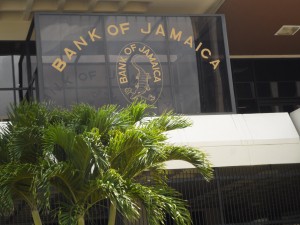
BOJ sold US$11M in today’s BXFITT auction.
The average rate for the Jamaican dollar auctioned by Bank of Jamaica in today’s B-FXITT Standard Intervention Auction came out at $135.42 down from $136.55 at last week’s auction.
Bank of Jamaica offered US$11 million for sale in today’s B-FXITT auction with 42 bids received covering US$23 million. Last week 41 bids were received amounting to $26.15 million for US$11 million on offer.
The country’s central bank will be offering US$41 million in sales over the next four weeks, including $11 million next week and US$10 million for the other three weeks up to October 17.
Today’s average rate compares with an average buying rate of $134.612 for purchase of US$33.75 million in Tuesday’s foreign exchange trading and an average rate of $135.56 with US$37.67 million being sold. On Monday, Dealers bought US$42.19 million at an average of $134.87 and sold US$42.19 at $135.95.
On Wednesday, the foreign exchange market closed with dealers buying US$56.88 million in all currencies which included US$49.86 million in US dollar currency at an average rate of $134.73 and selling a total of US$519 million in all currencies with the US dollar accounting for US$38.27 million at an average of $135.65, up slightly on Tuesday selling rate.
Inflation picks up
 Price increases in Jamaica for the year to August rose to 1.6 percent with August adding 0.9 percent increase to consumer prices, slightly less than the 1 percent increase in July while price increases for the past twelve months was 3.9 percent.
The fiscal year-to-date is running at 1.9 percent and seems to be running below the 4-6 percent range the central bank targeted but may fall just below the Bank’s latest revised forecast 0f 3.5-6.5 percent, with the months ahead, usually recording lower inflation than the summer months.
According to the Statistical Institute of Jamaica (STATIN), “The upward movement in August 2018 CPI was influenced by a 1.6 percent increase, in the index for the Food and Non-Alcoholic Beverages division, primarily due to higher prices for agricultural produce resulting in an increase of 0.6 percent in the class Vegetables and Starchy Foods.” “Another influence on the upward movement was the Furnishing, Household Equipment and Routine Household maintenance division as a result of the increase in the Minimum Wage of approximately 13 percent,” Statin stated. A fall of 0.1 percent in the index for the division Housing, Water, Electricity, Gas and Other Fuels, due to a lower electricity rates helped to ease the pressure of big increases.
Treasury bill rate almost steady at 1.71%
 Interest rates essentially remained stable based on the latest Treasury bill auction that took place at Bank of Jamaica. The moved but was just modestly higher with a few basis points increase.
Applications were opened on Wednesday, at the Bank of Jamaica for $700 million Government of Jamaica Treasury Bills dated Friday, September 14, with maturity on Friday, December 14, 2018 for a 91 days duration. The Average Yield came out at 1.7093 percent with partial allotment at 2 percent. The offer attracted bids of $932,026,500. The latest T-bill rate comes against the back ground on the central holding their overnight policy rate at 2 percent.
At the auction in August, the 91 days Treasury bill cleared at an average of 1.694 percent with partial allotment at 1.756 percent. At that auction $1.863 billion chased after the $700,000 on offer. The 182 days instrument ended with an average rate of 1.878 percent with $2.53 billion going after the $700,000 in August.

Jamaica dollar in modest recovery
 The Jamaican dollar traded at an average of $136.94 to the US dollar on Tuesday. Dealers sold US$52.7 million and bought $49.4 million at an average of $135.81.
Tuesday’s total intake of funds, amounted to the equivalent of US$61.96 million while US$62.65 million left the system.
Unlike Friday and Tuesday, Monday’s trading was moderate, with just US$27.65 million in all currencies bought by dealers and the selling of US$30.4 million. Buying of US dollars amounted to US$24 million at an average rate of J$134.56 and selling of US$28 million at $137.10 on Monday, compared to selling of US$40 million on Friday at $137.01. On Friday dealers sold a total of US$46.8 million in all currencies, having bought US$53.5 million, including $44.7 million in US dollars currency.
On Wednesday, last week, Bank of Jamaica sold $16.5 million to dealers pushing the total purchased for that day to US$57 million, while they sold $43.3 million at an average of $137.32. Trading of all currencies saw a total of US$55 being sold against $69 million bought by dealers.
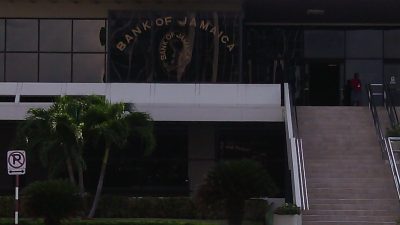 On Thursday dealers bought only US$29.78 million, but sold US$51.4 million, with the rate clearing at an average of $137.55. In all, dealers sold the equivalent of US$53 million in all currencies.
Last week Wednesday, the BOJ offered US$16.5 million to the market and received 46 bids of US$39.15 million. The average clearing rate was $137.03. The highest bid was $137.50 and the lowest $135. On Wednesday, September 5, US$11 million, to be followed by US$10 million per week, over the next three weeks.