 Bank of Jamaica focus is not on the naysayers about its recent move on interest rates that saw the central bank hike overnight policy rate by 100 basis points to 1.5 percent as the average rate on their latest Certificate of Deposit that was offered on Wednesday, October 6, cleared at 3.28 percent up from 2.59 percent at the previous auction a week before.
At the latest auction last week, the central bank received 82 bids amounting to $18.5 billion for $12.5 billion on offer. A total of 51 bids were successful up to 4.25 percent and comes after BOJ increased the overnight rate.
The total nominal outstanding amount for the 30-day CDs on the settlement date of October 8 will be $46.5 billion, up from $45.5 million the week before. Since the start of August, the central bank CDS have pulled in an additional $11.5 billion by increasing the amount in the market from $35 billion.
Remittances slip in August
 Remittance inflows into Jamaica slipped by 2.4 per cent or US$7 million to US$273 million from US$280 in August last year that benefited from a robust increase in 2020 and brings the year to date to US$2.3 billion or 25.4 percent over US$1.84 billion accounted for in the similar period in 2020.
Last year August saw a hefty 31 percent surge from US$214 million earned in 2019. At the rate of growth to date, remittance inflows should hit US$2.3 billion this year.
The decline for August is the first monthly decline on a year over year basis since April last year, with a fall of 20 percent. Remittances that surged 42 percent and 37 percent in June and July in 2020 over 2019 is up 10 percent this year in each month.
The largest source market of remittance flows to Jamaica for August 2021 was the USA accounting for 70 percent, of total inflows up from 66.3 percent recorded for August 2020, the bank of Jamaica report states. The central bank also indicates that Canada contributed 11.8 per cent, followed by UK and the Cayman Islands at 10 per cent and 4.9 percent, respectively.
Bank of Jamaica hikes ON rate to1.5%
 Bank of Jamaica, the central Bank of Jamaica day raise their Over Night interbank rate by one percentage to 1.5 percent. The rise follows the Bank’s announcement at the end of August that the announced the decision to consider commencing a tightening of monetary policy at the next meeting of the Bank’s Monetary Policy Committee in September and to immediately implement other measures aimed at moderating inflation expectations, including the containment of Jamaican dollar liquidity expansion.
A precursor to the policy rate increase and further tightening of the financial market, the CDs offered by the BOJ on September 29 resulted in a continuation in the rise of CD rates to 2.59 percent from 0.59 percent at the end of July.
The overnight rate was last cut to 0.50 percent in August 2019. It remained at that level up to the end of September. It ultimately dragged other rates in the system down and resulted in significant savings in interest costs for the government.
Consistent with meeting its inflation target sustainably in the medium term, the MPC agreed to continue increasing the Bank’s policy rate and by extension raising real interest rates, which are currently significantly negative and maintaining or intensifying the accompanying measures. This position is subject to inflation and other macroeconomic data evolving as projected.
BOJ to raise policy interest rate today
Bank of Jamaica will announce their latest overnight interbank policy interest rate today. The new rate is expected to increase from 0.50 percent that has been in place since August 2019.
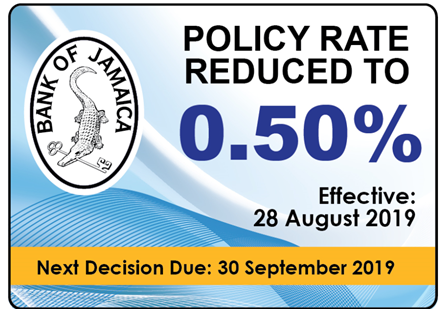 On most occasions, the lowering of the overnight rates was mostly cut by cut 25 basis points, indicating the likely upward moves. In light of the sharp rise in CD rates, the move upward for the rate could push the new rate to one percent, initially, with the moderate movement helped by the appreciation in the value of the Jamaican dollar that is going to results in a sharp drop in inflation if sustained.
In August, the Central Bank announced the decision to consider commencing a tightening of monetary policy at the next meeting of the Bank’s Monetary Policy Committee (the MPC Committee) in September and to immediately implement other measures aimed at moderating inflation expectations, including the containment of Jamaican dollar liquidity expansion.
A precursor to the policy rate increase and further tightening of the financial market, the CDs offered by the BOJ on September 29 resulted in a further rise in CD rates and followed other increases in the month.
On Wednesday, this week, the auction of CDs saw 45 bids amounting to $11.6 billion, chasing $10.5 billion offered by the central bank, resulting in average rates of 2.59 percent, up from 2.15 percent at September 22 auction. The latest rate represents a steep increase since the beginning of August when the rate was at just 0.59 percent.
Since the end of July, the bank has withdrawn $10.5 billion from the system and will hold a total of $45.5 million in CDS.
BOJ paying 4 times July rates
It now costs the Bank of Jamaica nearly four times as much to manage the financial market as it did in July this year. After a long period of easy money, the country’s central bank recently announced that they were about to end the easy money policy in light of increasing inflation.
The most recent offer of CDs on Wednesday, September 22, fetched an average interest rate of 2.15 percent, with the highest rate of a successful bid being 2.99 percent and the lowest 1.75 percent. These rates are up from the previous auction, earlier in the month.
The outstanding number of CDs sits at $44 billion, up from $40 billion at the end of the month and $35 billion at the beginning of August. This week’s issue attracted 43 bids amounting to $14.77 billion for the total of $11.5 billion offer for the 30 days instrument. Only 29 submissions were successful.
On September 1st, an offer of $9 billion attracted 40 bids amounting to $14 billion. Only 18 were successful, resulting in an average rate of $1.51 percent, with the lowest bid coming in at 0.50 percent and the highest at 4.25 percent. The highest successful bid got 2 percent.
 At the beginning of August, when the total amount of CDs was $35 billion, BOJ offered just $8 billion into the market and resulted in bids of $20.22 billion and resulted in an average interest rate of 0.59 percent, with the highest successful bid ending with a yield of just 0.62 percent, just higher than the banks overnight rate of 0.50 percent.
If the higher rates hold well into next year and beyond, there will be winners and losers. Banks with short term interest bearing instruments will enjoy a rise in revenues and on loans. Those with long data instruments will see capital losses unless their investment portfolio is balanced. Savers should see some increase in their interest income while borrowers will face increased interest costs. The move is likely to result in more appreciation of the Jamaican Dollar up to a certain level.
NCB sold US$874 million short
The US dollar peaked against the Jamaican currency in July as reflected in Bank of Nova Scotia selling the currency at the highest rate since June at an average of J$157.3698 on July 29 and Citibank selling at an average of US$157.8402. Last Friday, Bank of Nova Scotia sold the US dollar at an average of J$150.3714 and Citibank at $149.08. The indications are that these rates are likely to decline further, with more net selling by National Commercial Bank as the Jamaican dollar goes through one of its frequent yearly swings, in response to demand and supply of the US dollars.

NCB Financial Montego Bay branch
NCB sold off more than twice the amount of US dollars they purchased into the foreign exchange market, since the beginning of June this year up to Friday last week, with the bank selling US$1,298,524,926 or US$874,064,897 more than the US$424,460,029 purchased from the public. In 2020, NCB sold $900 million US dollars more than they purchased.
Data show that net purchases by NCB took place on only 3 days since the start of August. NCB net sales would include the sale of US dollars that emanated from the conversion of the surplus of other currencies into US dollars. The net position reflects a definitive selling short by NCB, with demand for US dollars waning one source informed ICInsider.com and the view that the situation won’t change before December when demand is expected to dip further and supplies increase.
In contrast to the actions of NCB, Bank of Nova Scotia the second largest foreign exchange trader bought US$511,485,130 and sold US$507,936,088 between the beginning of June and Last Friday, data from Bank of Jamaica shows.
Other developments in the foreign exchange market that could have a marked impact on liquidity are the continuing growth in remittance inflows in 2021 over the record 2020 flows. Bank of Jamaica draining of liquidity in the financial system has led to increasing interest rates on BOJ CDS from under one percent a few weeks ago to nearly two percent this week. Recovery in visitor arrival, with August arrivals approaching 80 percent of arrivals in 2019 and well over that of 2020. Increased exports earnings and of course increased imports cost.
Remittances slow from torrid pace
 Jamaica’s remittances inflows slowed from the torrid pace experienced between May, last year to May this year, with an increase in June and July of 10 percent each over the record levels of 2020 with increases of 42 percent and 37 percent respectively in 2020 over 2019 and bringing the year to date growth to 30.4 percent, down from 42 percent to May this year.
According to a release from Jamaica’s Central Bank, June enjoyed inflows of US$303 million versus US$275 million last year and July US$324 million, up from US$293 million in 2020. For the year to July, the country has garnered US$2 billion up from US$1.56 billion for the same period in 2020. Remittances appear on track to hit US$3.5 billion by the end of the year if the recent trend continues which would be US$600 million than last year and US$1.1 billion over 2019.
The big winners from tourism rebound
Jamaica tourism arrival numbers are approaching 80 percent of the 2019 figures. That is good news for the country, workers in the industry, and businesses close to the hotel areas and has major implications for listed companies.

Caribbean Producers back in TOP 10
Recent data of inward bound passengers through the country’s international airports suggest that tourist arrivals for 2021 will be robust and at levels that far surpass that of 2020. Not only will the numbers exceed that of 2020, but the most lucrative period of December to April when visitor arrival numbers are some of the best monthly patronages, but the rates paid to visit are at the highest for the year.
The rebound means more revenues for the government, more foreign exchange earnings for the country, more wages paid to workers and more income for persons and companies providing goods and services to the sector.
The big winners for listed companies are Caribbean Producers, a major supplier of goods to sector in Jamaica and St Lucia. Everything Fresh is also a significant supplier to the sector in Jamaica and should see a rise in sales, Express Catering generates all its income from the industry, with its locations within the Sangster International Airport and Dolphin Cove with its attractions being a big draw for tourists.
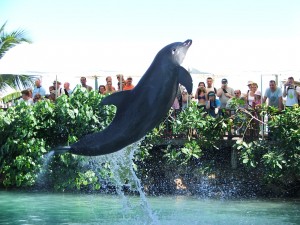
Dolphin Cove
Others to benefit to a lesser degree are GraceKennedy, Wisynco, Jamaica Broilers, Knutsford Express and Fontana, the latter, with stores in Ocho Rios and Montego that sell to the visitors.
The rebound has significant implications for the foreign exchange market in 2022. In 2019, the tourism sector earned around $3 billion and just $1 billion in 2020. A return to 2019 visitor arrival number should see another $2 billion gross generated by the country than for 2020 and 2021, along with the billion increase in remittances since 2019 if maintained into 2022, should result in one of the most buoyant foreign exchange environment for the county.
Tourist arrivals eyeing 80% of 2019 numbers
Two and a half months after the end of June the Jamaica Tourist Board (JTB) is just reporting stopover arrivals for that month, that came in at 166,046 visitors, this compares with 160,000 this publication suggested in its July report.
 By now the public ought to know how many visitors came into the country for July and possibly August. The long delay in reporting the data is unacceptable. The JTB needs to switch the manner of reporting by releasing the arrival numbers shortly after each month finishes and then release the full analysis at a later time.
At the same time, ICInsider.com had indicated that the numbers for July were set to end up around 170,000, but based on the outturn for June it is now likely to be 180,000 stopover arrivals or 67 percent of July 2019 arrivals, that saw 270,462 stopover arrivals. Arrivals for last year were just 41,941 in July and 43,813 in August shortly after the country reopened its borders. The latest available data suggest that August arrivals will be around 170,000 or 79 percent of the 214,780 stopover arrivals in 2019.
Tourism is one of Jamaica’s major earners and employers of labour. A lot rides on the fortunes of this sector and Jamaicans need timely and up to date information for planning and decision making. It cannot be that the JTB sits on valuable information while the rest of the society has to wait at their pleasure to release the data.
Dominican Republic expects 4.8m tourists

Growth in tourism expected in 2021
The Dominican Republic will receive 4,840,376 tourists by the end of this year, just 75 percent of the 6,446,036 non-resident foreigners who arrived on the island in 2019, the country’s Minister of Tourism stated.
On Wednesday, September 8th, the Minister of Tourism David Collado said that between January and August 2021, 2.94 million tourists arrived in the country and the projected that, from October to December, “if everything continues normally within the pandemic,” a further 1.55 million visitors will arrive in the Dominican Republic.
“We are going to end the year at 4,840,376 non-resident arrivals, which is a number that we could never imagine we would be able to have in 2021. We are giving clear signals that tourism is recovering in a sustainable way in the Dominican Republic.” Tourism Analytics reported the information.