Sales surged 36 percent at Fontana for the March 2020 quarter, to $1.1 billion, from $885 million in 2019 and rose 25 percent for the nine months, to $3.5 billion from $2.8 billion in 2019, with the company’s new Kingston store adding to revenues for the first time.
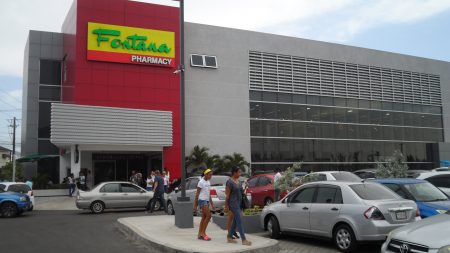
Fontana Waterloo Square Branch just after it was opened in October 2019.
Gross profit jumped similarly to sales, with a 36 percent increase in the third quarter to $404 million from $297 million in 2019. For the nine months, gross profit was up 25 percent at $1.3 million from $1 million for the comparative 2019 period. The surge in gross profit is mainly due to revenues generated by the new flagship location at Waterloo Square in Kingston.
The store opened in October 2019 and helped in pushing revenues up by 21 percent year-over-year for the six months to December, with gross profit increasing 20 percent. Revenues to September before the Waterloo store opening were up 9 percent. In the December quarter, revenues climbed 30.5 percent and 33 percent for the March quarter. The numbers suggest that the new store contributed approximately $235 million in the December quarter to revenues and $220 million in the March quarter. Information gleaned, indicates that this may be understating the actual numbers generated by tat store. The odds suggest that there is some cannibalizing of sales at the Barbican store by the new store.
Profit before other income and finance cost rose a healthy 67 percent for the March quarter to $57 million and grew 13 percent for the nine months to $281 million. The operating profit numbers provide a great indication of the impact of the new store is having on profit.
While gross profit advanced for the third quarter, net profit dropped 27 percent from $29.7 million in 2019 to $21.6 million in 2020. Still, it was up 15 percent for the nine months to $235 million, with the 2019 results incurring taxation of $40 million the 2020 profit is down 4 percent from the pretax profit of $244 million.

Fontana patrons lined up at the cashiers In October 2019.
The decline in profit for the quarter was mainly due to a $10.6 million unrealized loss in the value of a Unit Trust investment and a near doubling of finance cost to $25 million from $13 million in 2019. Without, the loss on the investment profit would have increased in the third quarter over the 2019 amount.
Overall, operating expenses rose 32 percent to $369 million in the quarter with “the Waterloo Square location accounting for $79.7 million of the increase”, the directors advised in a report accompanying the results. Selling and promotion cost increased by 31 percent for the third quarter, up $5.3 million, from the $17 million recorded over the comparative period in 2019. Depreciation went up by a staggering 374 percent from $21 million to $100 million for the nine months, while operating expenses increased by 29 percent coming in at $1 billion from $794 million from the prior year.
Fontana generated a gross cash flow of $335 million for the nine months, pushing cash and equivalents to $533 million. As of March 2020, current assets stood at $1.4 billion with trade and other receivables landing at $66 million; inventories ended at $751 million, an increase of $130 million over March 2019. Current liabilities ended at $846 million, including the current portion of bank loans at $52 million and trade and other payables of $655 million. The company has loans payable amounting to $221 million of which, $52 million is due during the next twelve months. Shareholders’ equity closed the period $1.45 billion, up from $1.16 billion, year over year.
Earnings per share came out at 2 cents for the quarter and 19 cents for the nine months and should end the fiscal year ending June under 30 cents. IC Insider.com is forecasting 55 cents per share for PE of 10.7 times earnings.

 Cash flow from operations generated $1.7 billion before working capital changes. Loans consumed $350 million in net repayment, while the company spent $196 million on the acquisition of fixed assets. Current assets stood at $4.6 billion, including cash and equivalents of $1.35 billion at the end of March and investments totaled $268 million. Current liabilities closed the year at $1.8 billion. Shareholders’ equity ended the year at $6.75 billion, with borrowed funds being just $1.05 million, of which $496 million is due for repayment during the current year and will help to cut interest costs in half.

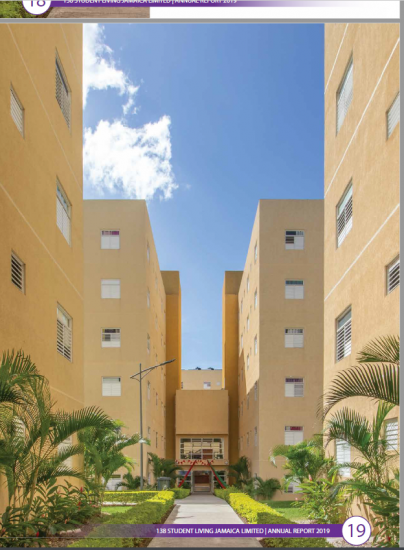 138 Student Living boasted an eye-popping turnaround in its profit before interest and taxes of 262 percent for the quarter and 588 percent for the six months to March 2020. The company recorded a profit before tax and finance cost of $137 million for the March quarter and $396 million for the six months. Profit after tax ended at $87 million for the March 2020 quarter versus a loss of $45 million in the prior year’s second quarter, for the half-year, profit after tax climbed to $270 million compared to a loss of $44 million in the 2019 period.
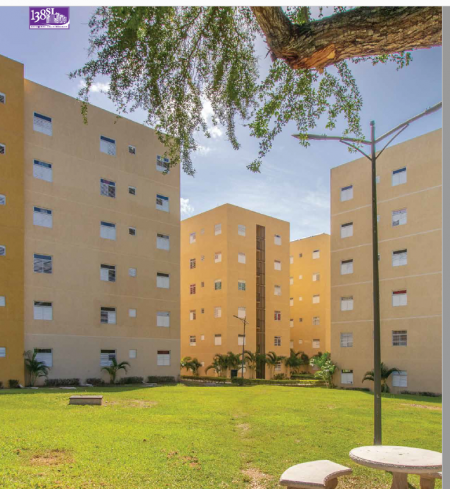 Earnings per share came out at 21 cents for the quarter and 65 cents for the six months and should end the fiscal year higher, but profits from the continuing business will be far less than the half-year numbers indicate.


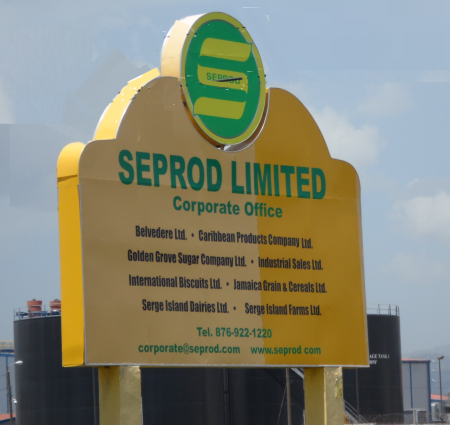 According to a Gleaner report in 2010, “the company not only acquired some 820 hectares of lands last year to add to its Golden Grove Sugar Company operations but also upgraded its factory. The strategy of an upgraded factory and “economies of scale” is expected to reap increased revenues for the group, according to Group Chairman Paul Scott.” Shortly after they acquired the business, the directors were told they were undertaking a huge gamble and would have been better off if they had left it alone. Ten years later, with billion-dollar losses, Seprod finally stopped the costly experiment.

 The quarterly performance followed a weak December 2019 quarter when profit dropped from $1.1 billion in the 2018 December quarter to just $319,276.

 Gross profit margin declined in the year leading to gross profit rising slower than the increase in revenues at 5 percent to $546 million and is due primarily to a 12 percent rise in raw material cost and a 76 percent increase in depreciation charges in the manufacturing operation. Overall, cost rose faster than the increase in revenues for the year with Administrative, selling and distribution expenses 15 percent for the year.