Remittance inflows to Jamaica increase of US$13 million or a solid 5 percent in total remittance inflows to a record for the first month of the year, with January 2026 hitting US$273.2 million up from January 2025, data out of the Bank of Jamaica show.
 In 2025 total inflows to the country rose by 3.84 percent to US$3.486 sit just under the record haul of US$3.497 billion in 2021. This year’s increase is lower than the 5.7 percent rise for January last year, 5.6 percent in May, 14.3 percent in November and 12.1 percent in December of 2025.
If total remittances remained flat for the rest of 2026, the country will end with record inflows for the year of just under US$3.5 billion.
 The Montego Bay airport processed 274,500 incoming and outgoing passengers, down by 31.4 percent from 400,100 in 2025, representing a 17 percent improvement over the 37.7 percent decline for January. For the year to date, traffic dropped 34.7 percent to 559,000 from 856,300 in the prior year.
 Last year’s intake is the second highest on record and bettered the 2022 intake of US$3.44 billion.

 Bank of Jamaica announced that, effective 24 February 2026, the rate offered on overnight balances on the current accounts of deposit-taking institutions, the policy rate, will be reduced by 25 basis points from 5.75 percent per annum to 5.50 per cent per annum.
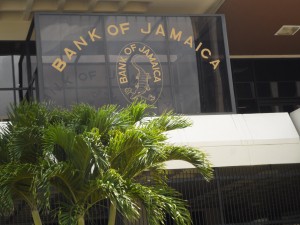 This earlier-than-previously-anticipated return to target reflects a moderation of the Bank’s forecast for later (or second-round) price increases. In addition, private sector expectations of future inflation (inflation expectations), a key driver of headline inflation, are forecast to fall to normal levels over the near term. The current account of Jamaica’s balance of payments is, however, projected to record higher deficits over the near term as the economy rebuilds from the Hurricane Melissa fallout, but the international reserves remain healthy and are projected to improve further. The forecast also considers the direct impact of the recently announced tax package.

 The decline in 2026 continues momentum from 2023, which accelerated into 2025, when Jamaica recorded under 673 total murders for the year, a 42 percent drop from 2024 and the lowest count in decades. For years, Jamaica exceeded 1,000 annual murders, and as high as 1,683 in 2009 and 1,647 as far back as 2017. The reduction in crime since 2023 makes this transformation historic, with a positive impact on the wider economy.
 2026 Forecast: At the current trend, Jamaica is on track to record around 300 murders for the year, potentially the lowest since 1975 when murders ended at 266.
 November’s 2.4 percent monthly rise was the highest since September 2013, with 2.8 percent and matched the August 2024 increase following Hurricane Beryl. Hurricane Melissa, which struck on October 28, severely disrupted agricultural production and infrastructure. Food prices surged 6.0 percent in November, with vegetables, tubers, and plantains jumping 19.1 percent, while fruits and nuts increased 8.8 percent. Inflation in this category, in December climbed at a much slower pace of 2.1 percent, with vegetables, tubers, and plantains jumping 4.5 percent, while fruits and nuts increased 5.6 percent.
 This year’s inflows are the second best on record, just $19 million below the record of US$2.695 billion garnered in the first nine months of 2021. The trend for the year to date suggests that total flows for the year may end around US$40 less than the record US$3.497 billion in 2021. Inflows could increase above the levels for 2025 to date following the passage of Hurricane Melissa, as Jamaicans overseas increase their contributions to Jamaicans hit by the hurricane.