Profit at Wigton Windfarm jumped 29.5 percent after-tax to $664 million or 6 cents per share for the March 2020 financial year, up from $513 million or four cents per share in 2019.

Wigton posted a profit of $66am for the twelve months to March 2020
Sales of power generated, to Jamaica Public Service Company, declined slightly to $2.417 billion from $2.448 billion in 2019. Gross operating cost slipped from $740 million with depreciation cost of $670 million in 2019 to $764 million that includes depreciation of $665 million and resulted in gross profit of $1.65 billion in 2020 from $1.7 billion in 2019.
Other income, including $456 million in foreign gains in 2019, dipped to $221 million from $503 million in 2019 while finance cost dropped to $527 million from $1.05 billion due mainly to foreign exchange loss incurred in the 2019 period amounting to $662 million and none in the 2020 fiscal year. Administrative cost moved slightly higher in 2020 to $479 million from $434 million in 2019.
Gross cash inflows amounted to $1.55 billion and helped push cash and bank balances to $2.7 billion. Current assets ended the year at $3 billion and current liabilities at just $847 million. Loan funding stood at $6.3 billion, with $730 million due for repayment by March next year. Shareholders’ equity stands at $3.5 billion, comprising issued shares of 11 billion units.
The stock closed trading on the Main Market of the Jamaica Stock Exchange at 78 cents for a PE ratio of 13 times earnings. Going forward into the 2021 fiscal year, there is uncertainty as to the outturn for profit, with earnings remaining around the six cents per share the most likely outcome.
 Premium income dropped from US438 million in 2019 to $342 million and net premium Income declined to $318 million from $265 million. Profit for the quarter was impacted, mostly by the performance of the banking and investment operations, with credit impairment losses rising, from just $48,000 to $16 million and fair value changes and interest income falling from a positive contribution of $36 million to a loss of $94 million. The net effect of the above resulted in total revenues plummeted from $516 million to $343 million in 2020. Thankfully, a sharp drop in Policy benefits and change in actuarial liabilities contributed $232 million to a reduction in expenses bringing net benefits to policyholders down to $203 million versus $348 million in the 2019 March quarter. Administrative and other expenses rose, from $131 to $153 million and resulted in a loss after taxes and results of the associated company to $25 million from a profit of $32 million in 2019.
 Net profit soared from $25 million in 2019 to $38 million for the quarter and the six-month net profit was up 52 percent, at $87 million from $57 million. The Lab incurred Corporation taxes of $15 million for the half-year for 2019 and $5.4 million for the 2019 April quarter. Profit for the half-year was 81 percent of pretax profit for all of 2019 when the company reported $107 million in profit before taxation, while revenues are 75 percent of the 2019 outturn. The principal activities of the company are production, media and advertising services.
 The result is a slight decline in the gross profit margin down three percentage points at 36 percent for the quarter from 39 percent in 2019 and down two percentage points, at 35 percent for the six months.
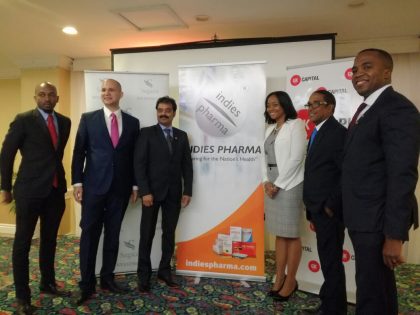 Sale revenues rose 11 percent for the six-month, to $401 million from $361 million in 2019 and net profit increased 36 percent to $108 million from $79 million in the prior year.
 As impressive as the results appear, investors should be cautious. The improvement in the margin in the second quarter is out of line the year to date, with the first quarter coming at 66 percent, suggesting that some profit shifted to the second quarter from the first, most likely due to an error. There are no indications that management has come to grips dealing effectively with the expiry of drugs and the appropriate manner in booking the write-offs. While the interim figures showed the gross profit margin at the 70 percent range in the past two years, by the end of the fiscal year, it fell to 61 percent in 2018 and 63 percent in 2019 and spoiled what was looking like promising earnings, until the final numbers were in for the years. Based on the 2018 and 2019 final numbers, there is likely to be a big adjustment to inventories in the last quarter that will pull down the profit levels.
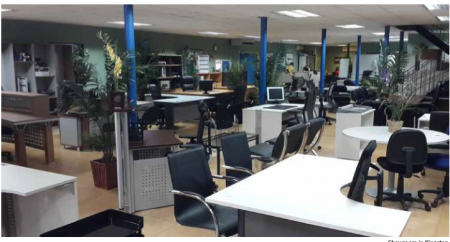
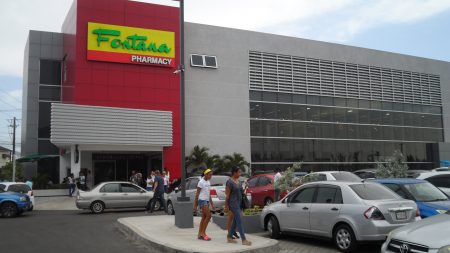

 Cash flow from operations generated $1.7 billion before working capital changes. Loans consumed $350 million in net repayment, while the company spent $196 million on the acquisition of fixed assets. Current assets stood at $4.6 billion, including cash and equivalents of $1.35 billion at the end of March and investments totaled $268 million. Current liabilities closed the year at $1.8 billion. Shareholders’ equity ended the year at $6.75 billion, with borrowed funds being just $1.05 million, of which $496 million is due for repayment during the current year and will help to cut interest costs in half.

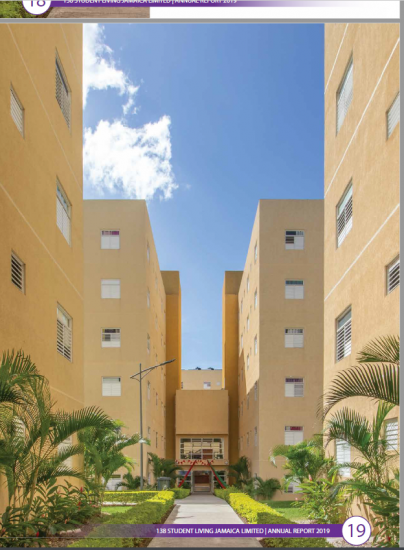 138 Student Living boasted an eye-popping turnaround in its profit before interest and taxes of 262 percent for the quarter and 588 percent for the six months to March 2020. The company recorded a profit before tax and finance cost of $137 million for the March quarter and $396 million for the six months. Profit after tax ended at $87 million for the March 2020 quarter versus a loss of $45 million in the prior year’s second quarter, for the half-year, profit after tax climbed to $270 million compared to a loss of $44 million in the 2019 period.
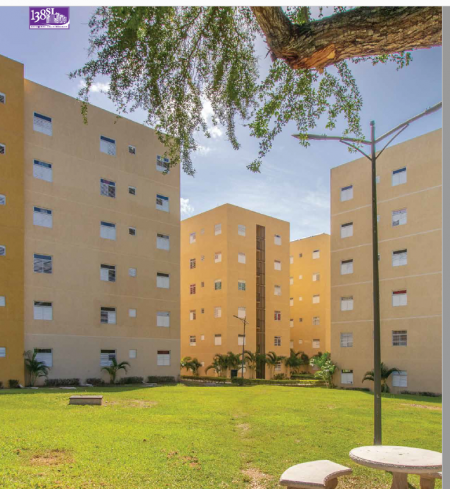 Earnings per share came out at 21 cents for the quarter and 65 cents for the six months and should end the fiscal year higher, but profits from the continuing business will be far less than the half-year numbers indicate.