 If there was a pass or fail mark for the quarterly reports, Flavorite Foods out of Trinidad would get a huge failure mark for their reports but, the latest one would be marked even lower than some that went before. The interim financial report to June this year, was posted on the TTSE website on September 22, the report is not dated so is unclear when the company actually released it.
What is not in doubt is that the presentation is reminiscent of a worker just throwing down their work before their superior, with a total lack of the pleasantries that could go along with it, for a better experience all round. It is not surprising that the company has been struggling. The financial presentation speaks eloquently about inadequate management of its affairs. Do managers really see the connection between what they put out for public consumption and how they are perceived by the public?
The first thing noticed, is the absence of results for the quarter. That is a format of reporting that other listed companies report on routinely. In addition accounting standards on interim reporting require the break out of quarter income and expenditure.
Revenues fell 16 percent in the six month to June to $69.4 million and a small profit of $1.45 million before taxation in 2014 melted into a loss of $1.5 million. After tax profit for the first six months in 2014 of $862,000 fell to a loss of $1.6 million in 2015.
During the previous fiscal year for the September quarter, the company said it closed its loss making operation in St Lucia and that the group’s results have shown marked improvement and sustainability. The big question that shareholders must be asking is what has happened since and what will be done going forward, a question that management has failed to provide the answer to.
The directors with only one signing the report although there is space for two to sign, did not think it right to at least pay shareholders the courtesy of an explanation for the change in fortunes and try to paint a picture of the near term future. What is so wrong with some level of communication with their investors, something is clearly wrong and the directors don’t seem ready or capable to change it. Investors deserve better than that.
Products offered by the company include ice cream, snacks, yogurt. The stock which is listed on the Trinidad & Tobago Stock Exchange last traded at $4.80.
F = failed = Flavorite Foods
Montego Freeport to pay $1.42 per share
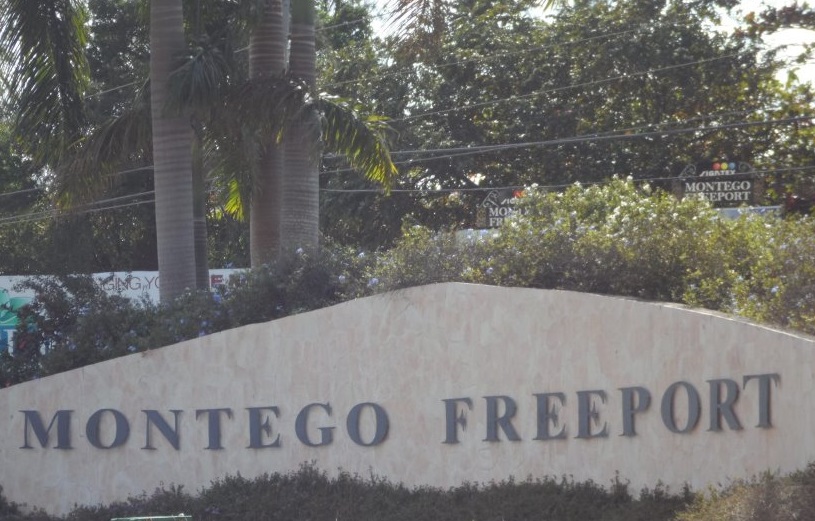 Montego Freeport will be paying $1.42 per share dividend as a capital distribution on October 28, the company announced recently. The dividend payment is expected to be ratified at the upcoming annual general meeting of the company to be held in Montego Bay, on October 8.
The payment will consume $826 million of the $1.1 billion in cash held at the end of March this year. After making that payment there will still be assets amounting to $600 million or just over $1 per share to be distributed which includes assets for sale amounting to $328 million.
Montego Freeport reported profit of $67 million for the 2015 year and $12 million for 2014 from operating and other income of $97 million and $61 million respectively. The company was previously listed on the Jamaica Stock Exchange but a set of short sighted directors recommended liquidating the assets and closing the company which the shareholders bought into and approved.
Angostura profits grow but?
Angostura Holdings have been quietly making progress, with increased profit for yet another period. In its latest results to June this year, the company best known for its Angostura bitters posted gains in its bottom-line over the similar period in 2014 with an increase of 17 percent in the second quarter to $43 million and 7 percent for the half year to $63 million.
 Profit for the full year should end around $175 million after taxation or 86 cents per share compared with $153 million in 2014 for an increase of 14 percent. The 2015 performance came from a fall in sales revenues and a rise in gross profit from $91 million in 2014 to $96 million in the second quarter this year but suffered a fall in the six months to $158 million from $169 million last year.
Selling and marketing expenses rose from $25.4 million to $27.1 million in the June quarter and declined from $58 million to $54 million for the half year while administrative expenses declined marginally in the quarter to $15 and $28 million for the six months.
The 2015 results show a picture of increasing improvement with the 2014 financial year showing growth in results from continuing operations before taxation of 10.8 percent to $217 million from revenues that were slightly up by just $9 million to $672 million, with a cut in administrative and selling and marketing expenses. In 2013 revenues grew 2 percent to $663 million and results from continuing operations before taxation of 16.5 percent to $196 million, which was helped by a $20 million fall in interest cost.
The group is engaged in the manufacture and sale of rum, ANGOSTURA® aromatic bitters and other spirits, the bottling of beverage, alcohol and other beverages on a contract basis, and the production and sale of food products.
The final quarter of the year is the one in with the largest sales volume and profits for Angostura. The stock trades at TT$14 on the Trinidad Stock Exchange.
While profits have been on the increase, its coming mainly from cost reduction rather than revenue growth which is not a great formula for highly profitable investing.
Undervalued Pan Jam few look at
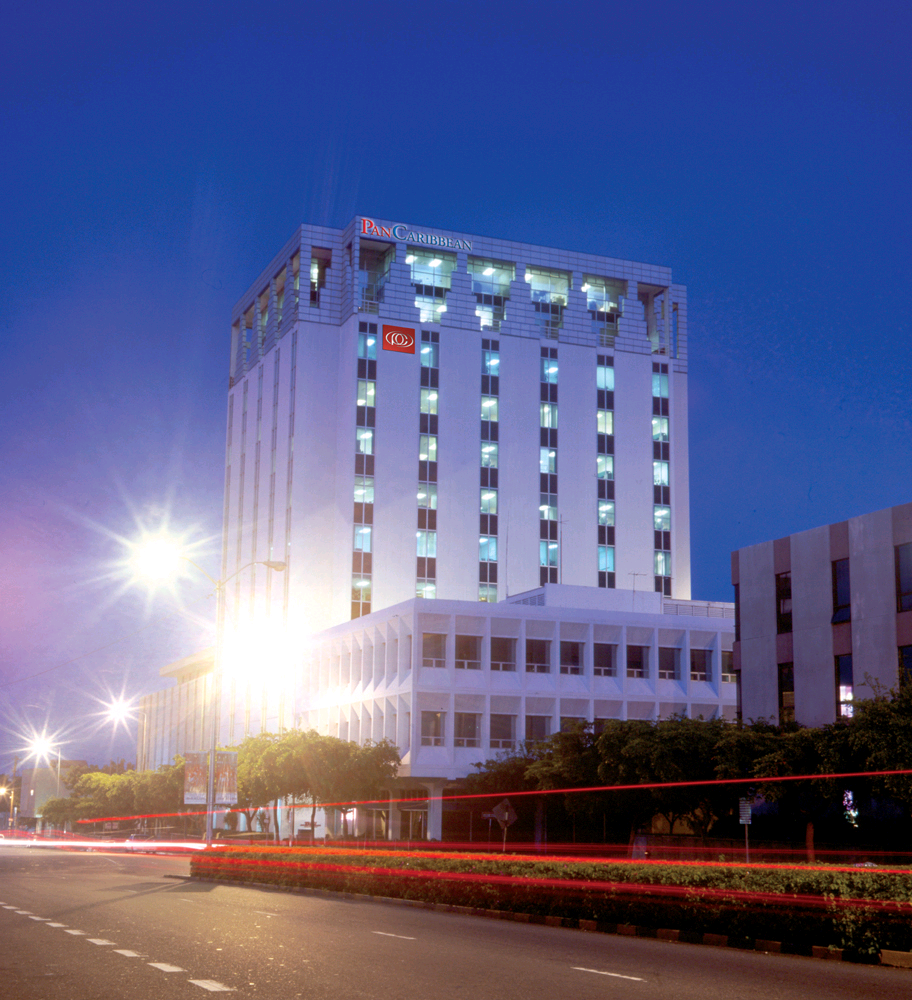 Pan Jamaican Investment Trust is one undervalued company that not many investors seem to be paying much attention at even as many seem to be piling into a few sexy overvalued ones, ignoring the gains being make in the bottom-line of the company. Net profit attributable to owners of Pan Jamaican Investment Trust increased 24 percent for the June 2015 quarter to $853 million, from $688 million in the 2014, second quarter.
Pan Jam generated net profit attributable to owners for the six months to June with an increase of 28 percent to $1.4 billion from $1.09 billion for 2014. Profits resulted in earnings per stock unit of $4.07 for the 2015, second quarter and $6.65 for the six months. Earnings for the year should be in the range of $15-17 per share. The stock traded last at $61.71 while the book value is at $105 per share.
Investment income of $158 million in the second quarter is 28 percent higher than last year’s comparable quarter’s income of $123 million. Year to date, investment income declined 25 percent from the 2014 period to $193 million. Investment income fell due a number of factors, “principally as a result of a profitable conclusion to a real-estate related investment in Canada, which more than offset lower foreign exchange gains of $33 million, versus $42 million last year, dividends and interest of $35 million, versus $45 million last year and trading gains of $26 million, versus $32 million last year. Year to date investment income of $193 million is 25 percent behind last year due principally to reduced foreign exchange gains of $31 million, versus $83 million last year, and trading gains of $12 million versus $37 million last year” the company said in a release accompanying the financials.
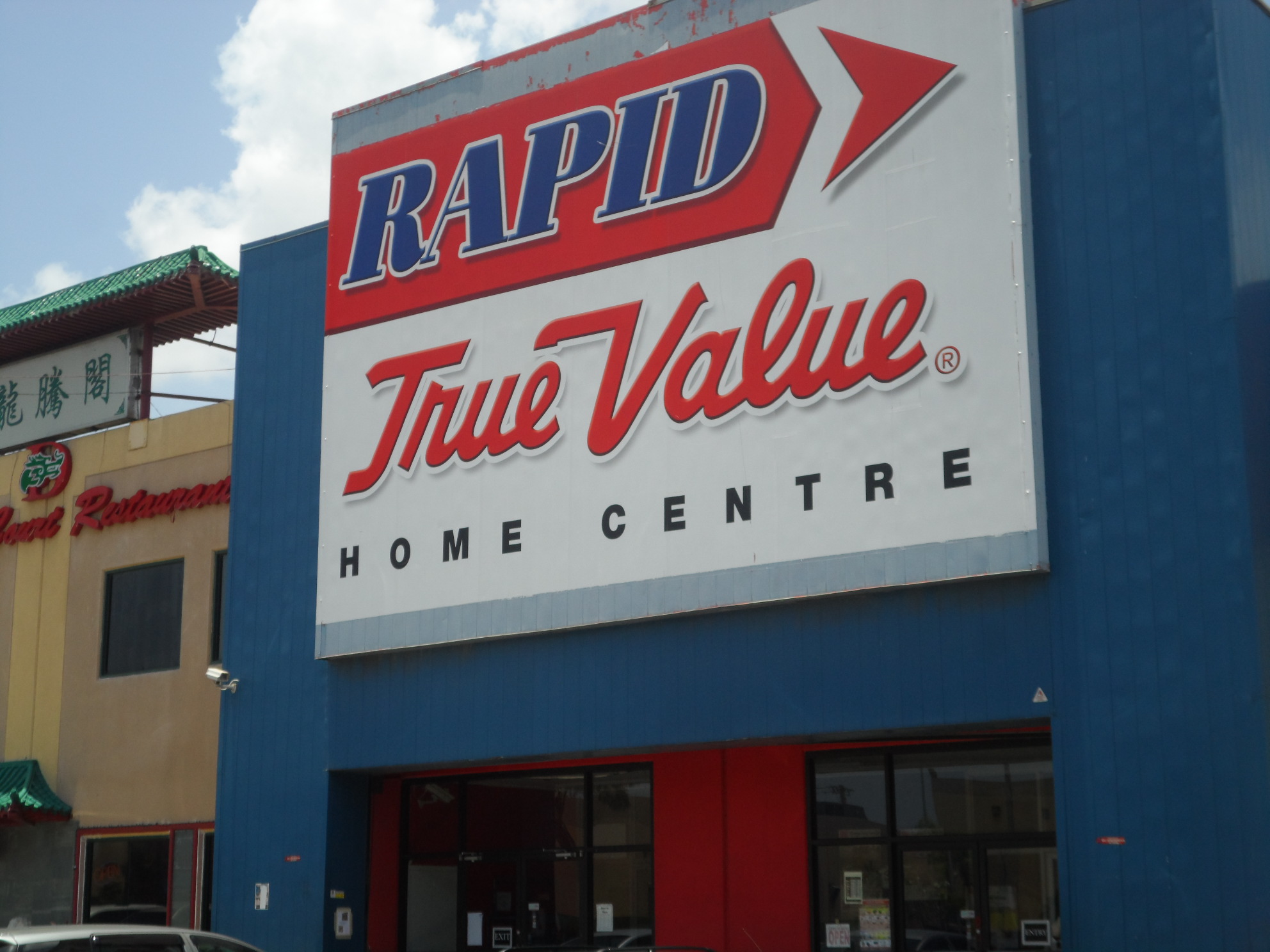
Rapid True Value owned by Hardware & Lumber an associate of Pan Jam
Share of results of associated and joint venture companies for the quarter, rose 32 percent to $791 million and grew by 35 percent for the six months period to $1,234 million. The results of Sagicor increased by $175 million or 31 percent for the quarter and by $289 million or 33 percent for the half year. The results for Sagicor Group have some non-recurring income that arose from loan loss recovery.
Operating expenses were held fairly tightly with a 12 percent rise in the quarter to $305 million and for the half year only 5 percent to $565 million. Finance costs declined compared to last year, by $25 million to $106 million for the quarter and $74 million to $200 million for the 6 months, resulting from reduced foreign exchange losses on the International Finance Corporation loan and reduced interest on a smaller average principal balance outstanding for the period compared to 2014.
Caribbean Cream profit up 138%

Caribbean Cream profit jumps 138% in Q1-2015-16
That seems to be receding with a big jump in profits for the full year to February when profits climbed to $57 million from $35 million for 2014 and a big leap in the first quarter ending May, jumping 138 percent to $39 million. Growth was only constrained by added cost for cleaning and sanitation which helped push administrative cost to $56 million by $20 million. Loans are down $20 million and brought interest cost down. Inventories fell from $96 million to $61 million, the fall in the world market price for milk powder would have been a major factor behind this, coupled with a greater level of stability of the Jamaica dollar that would suggest there was little benefit from having large amounts of inventories. Trade receivables climbed $20 million, cash moved to $51 million from $17 million in 2014 and could end up around $200 million by the end of fiscal year to February 2016, payables declined from $109 million to $80 million and equity capital has moved to $326 million, lending strength to the company’s improving financial health.
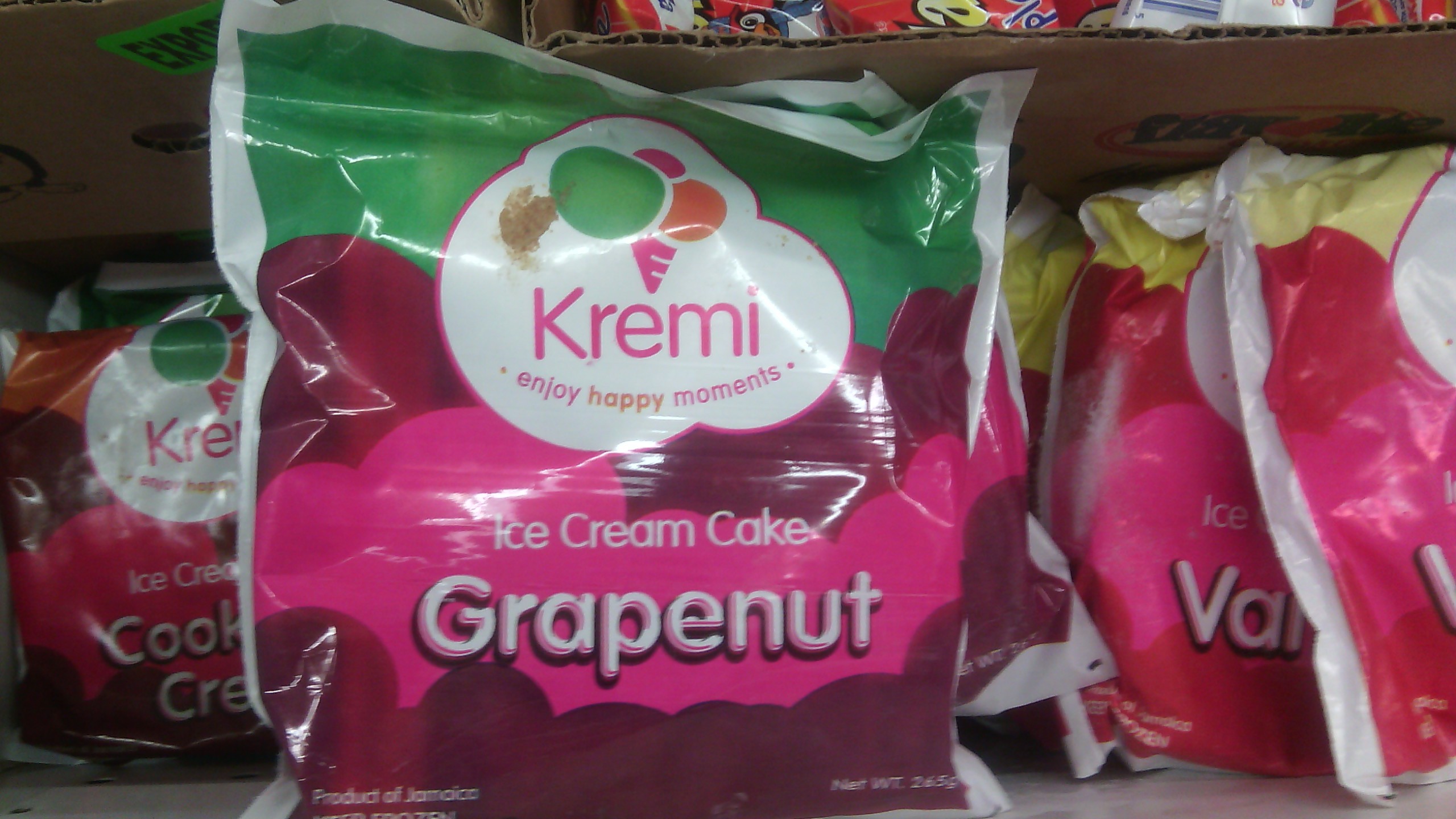 For the quarter, revenues climbed 15 percent to $289.2 million from $251.5 million in May 2014 and was better than for the February quarter of $273 million. The growth in revenues is better than the 11 percent garnered in the February quarter. Lower operating expenses of $178 million versus $183 million in 2014 drove gross profit up 61 percent with profit margin jumping to 38 percent from 27 percent in 2014 and was helped by a 13 percent price increase ahead of the February quarter. Marketing costs remain static at $11 million while interest cost fell from $5.8 million to $4.6 million.
Earnings came in at 10 cents per share, well over the 4 cents reported in 2014 and not very far from the full year earnings of 15 cents. Earnings for fiscal year ending 2016 should hit 75 cents per share as cost savings and marketing measures take effect. The price of milk powder, a major input into the production of ice cream, fell 25 percent since the end of the May quarter to the end of August on the US market and looks like it headed lower, will result in major cost savings. The company enjoys 5 years tax free holiday commencing in 2013 when it listed on the junior market of the Jamaica Stock exchange and after that is entitled to 5 years of taxation at half the regular tax rate.
The stock traded at $1.67 on Friday on the junior market of the Jamaica Stock Exchange but was as high as $2.50 coming from a low of 61 cents earlier in the year. The next set of results due early October, will most likely give the stock another shot in the arm.
Witco’s Q2 profit rise 13%
 Trinidadian based West Indian Tobacco recorded a 13 percent increase in profit after taxation amounting to $143 million up from $127 million in 2014. Profit after taxation for the half year, ended at $241.4 million, an increase of 8 percent over the 2014 results.
Revenues net of excise taxes rose 7.5 percent to $283 million for the quarter and for the six months ended June, an increase of 6 percent to $506 million.
Results benefited from lower cost of sales in the June quarter, declining from $62 million to $60 million while there was only a $1 million increase to $112 million for the six months. Administrative Expenses declined to $24.7million from $29.3 million for the June 2014 quarter and for the half year $45.3 million to $50.6 million. Other Operating Expenses climbed to $7 million from $5 for the quarter and for the half year these cost were flat with $13.6 million for 2015 versus $13.6 in 2014.
Earnings per share for the June 2015 quarter ends at $1.70 and $2.87 for the six months this year for the full year earnings should be in the $6.30 region and would be up from $5.81 earned for 2014. The stock last traded at $125.43 on the Trinidad and Tobago Stock Exchange and would result in a PE for the stock of 20.
The Board approved the payment of a second interim dividend of $1.26 per ordinary share payable on 26 August, to shareholders of record at close of business on August 7th. The interim dividend, amounts to $106 million.
Lasco Financial’s Q1 Profit up 14%
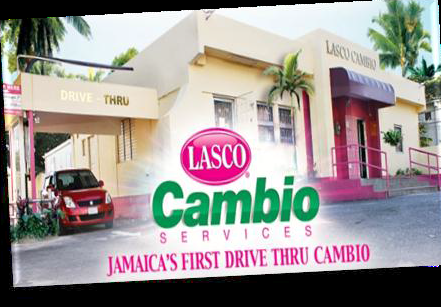 Lasco Financial Services (LFSL) reported profit of $10 million for the March 2015 quarter, down from $41 million made in 2014 but revved things up to a 14 increase in June quarter to $54 million as revenues climbed 8 percent to $192 million and well over the $148 million generated in the March quarter.
For the March quarter revenue that compared with the 2014 quarter expenses grew by $28 million due mainly to increase spend on marketing and selling expenses. Jacinth Hall-Tracey, Managing director indicated that the period suffered from squeezed margins in March quarter on foreign exchange trading and foreign exchange losses in the quarter, resulting from the revaluation of the Jamaican dollar and greater stability of the exchange rate. Loan disbursements slowed as credit rating data used in assessing potential clients resulted in lower loan approvals.
Total expenses for the first quarter increased by 5.5 percent to $137 million compared to the corresponding period. This is primarily due to a 36 percent increase in administrative expenses and 16 percent decrease in selling and promotion expenses. “The net increase is reflecting the expansion of our network, staff cost and software support to manage operational efficiencies and to build customer relationships. LFSL continues to review its marketing tactics which gave rise to a reduction in selling and promotion expenses”, Hall-Tracey said. She went on to say “During the quarter, our growth initiatives included the launch of our motorcycle loan product and the opening of our new cambio branch in Port Antonio”. The opening of the new branch would have added to administrative cost against which revenues would not cover.
 The company has cash of $563 million and is generating over $200 million per year. If the company can find the formula to ramp up good quality lending successfully, the profit outlook can be transformed considerably with high profit margins for lending. “We are working on a number of initiatives that will help in the transition from lower income in foreign exchange activity” Hall-Tracey said in response to questions posed after the company released the Full year results to March. The area of credit approval is one that they is being revisited as the use of credit rating information is stymying lending. But Hall-Tracey expects profit for this year that ends March 2016 to be higher than for the year just ended, subject to taxes on profit which the company will start bearing at fifty percent of the official tax rate of 25 percent.
The equity capital of Lasco is $868 million and is well below that of its two siblings who have equity in equity of more than $2.4 billion each, as such the possibility for strong growth is probably more present here than with the bigger entities over time.
The company has done well from the money remittance and cambio operations but it is in the lending that the future growth prospects seems to rest. Hence the connection between Mayberry Investments with the know-how having been exposed at Access Financial. The company has adequate free capital to increase lending with only $147 million in loans at March. Earnings per share of 0.45 cents for the quarter should end around 20 cents for the year to March 2016. The stock last traded at $1.80, investors need to keep an eye for the possibility that Mayberry Investments could increase their holdings in the company.
Kingston Wharves Q2 profit up 10%
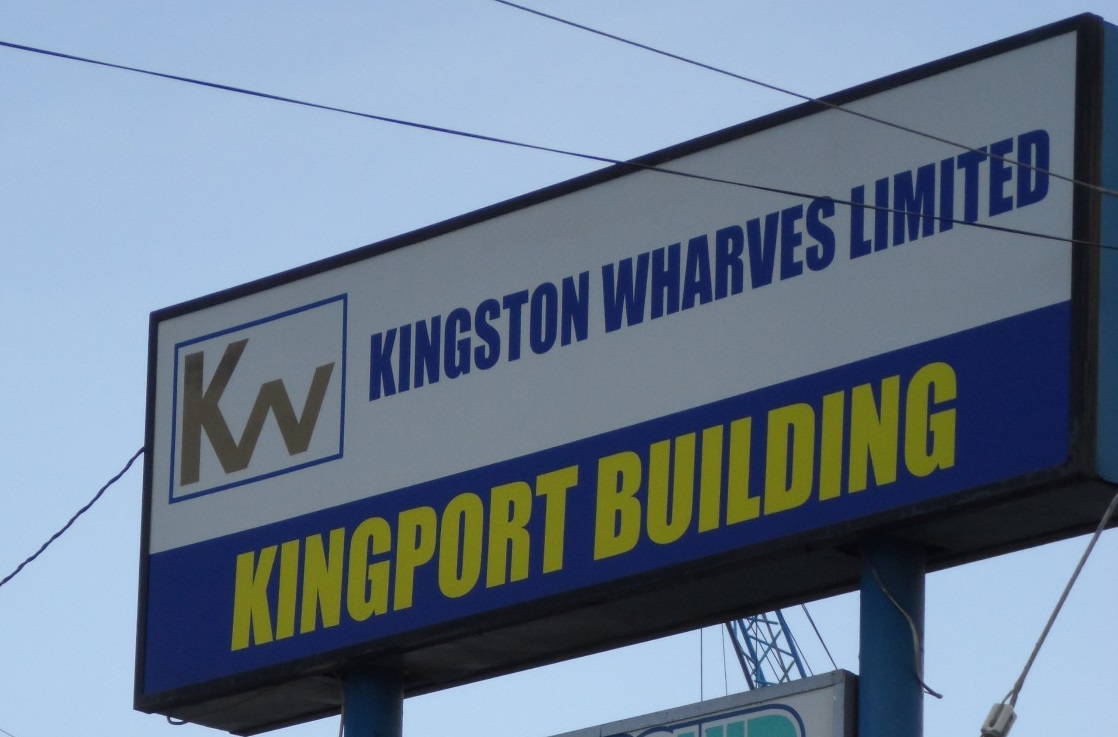 Revenues shot up 15 percent for the six months to June this year to $2.33 billion at Kingston Wharves from $1.94 billion over the corresponding period of 2014. Revenues for the quarter reflected an increased 19 percent to $1.19 billion or over the June quarter last year.
The increased revenues, generated net profit attributable to shareholders that grew by 21 percent over in the prior year, from $354 million to $427 million for the half year and for the June quarter and only 10 percent to $240 million and resulted in earnings per stock of 17 cents for the quarter and 30 cents for the half year. Earnings for the full year should end around 70 cents per share compared to 59 cents for 2014.
The Group experienced lower foreign exchange gains associated with the depreciation of the Jamaica dollar resulting in a reduction in other income.
Direct operating expenses rose faster than growth in revenues with an increase of 26 percent from $1 billion in 2014 to $1.26 billion for the six months period and jumped 30 percent from $510 million to $663 million for the June 2015 quarter.  Administrative expenses rose marginally from $393 million in 2014 to $397 million for the six months period and fell slightly from $200 million to $198 million for the June 2015 quarter.
“Transhipment container volumes handled at the KWL Terminal, during the six months period, increased by 20 percent over the prior year, while domestic container volumes and motor units grew by a further 22 percent and 7 percent respectively” Jeffery Hall, Chairman for the group said in a report to shareholders.
Purchase of property, plant and equipment amounts to $437 million up to June compared to $513 million in the 2014 half year period as the company expands and modernize to attract more business with the opening up of the Panama canal.
The company’s stock closed on Friday with a price of $7.10 compared a net book value of $12 a sells at a PE around 10 this year’s earnings. Less than 5 percent of the company’s shares are held by shareholders outside of the top 10 shareholders. That has helped with the relative higher price of the stock compared with the overall market with a much lower PE.
Profit jumps 45% at Lasco Distributors
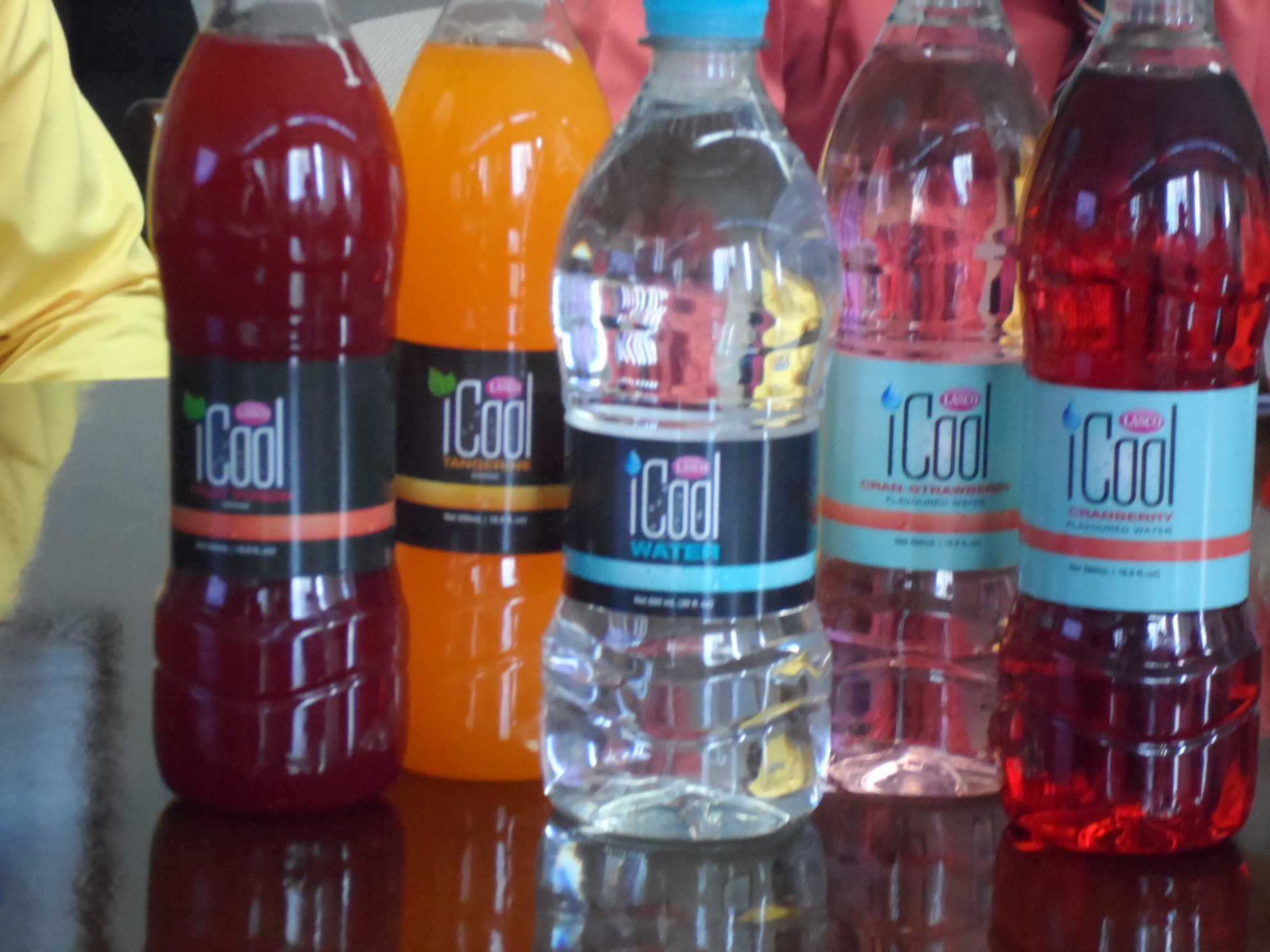
Lasco Distributors” hot new “I Cool” drink.
“The main contributing factors to the increase revenues were the increase in volumes of iCool beverages and additional revenue from the distribution of the full range of Unilever Products”, Peter M. Chin, Managing Director reported to shareholders in the directors’ report accompanying the financial data.
“Increase logistics costs for the period and the continued aggressive selling and marketing activities resulting in the gross profit margin being lower by 1.4 percentage points than the prior year. The aggressive efforts to drive demand for our newly launched iCool brand of beverages has been successful as the company achieved a significant increase in volumes’, Chin went on to say.
 Cost of sales rose 41 percent to $1.75 billion faster than revenue growth but still allowed for the strong increase in profit. Gross profit margin came out at 16.9 percent down from 18.25 percent in 2014 and declined to 17.94 percent for the 12 months to March 2015 from 19.37 percent in 2014. Administrative, selling and other expenses rose 22 percent to $441 million during the June quarter, from $361 million in 2014.
“For the reporting period Current Assets increased by 24.5 percent or $951 million. The major contributory factor was Trade and Other Receivables category which increased by 48.1 percent or $776 million, this was a result of the increased Credit Sales and Principal activities. Inventories increased by 33.6 percent or $436.7 million due to new products to market and new business agreements, Trade and Other Payables increased by 34.4 percent or $615 million over the corresponding period,” Peter M. Chin, reported.
Earnings per share ended at 4 cents, and IC Insider is forecasting 35 cents per share for the full year which would be well ahead of the 16 cents earned for the 2015 fiscal year.
While the stock is trading at $1.90 or 5.5 times current year’s earnings, making the stock attractive especially as profits are likely enjoy a big uptick in 2017 as well with more products to distribute. Investors need to bear in mind that profits become taxable at 12.5 percent starting in the second half of this fiscal year, for five years.
Producers’ office sale shores up cash

Charles Johnston – Chairman of JP Group
Borrowings have gone up considerably to $2.15 billion from $1.18 billion at the end of June 2014, not something the group is known for in the past.
The real story shows up in the cash flow statement. Cash generated from operations was negative $340 million for the half-year and possible $700 million for the full year, with loan repayments to be made and cash and investments which are down from what use to obtain in pass years, with $730 million at the end of June this year. Producers needed to shore up the cash position and may need to do so again before too long. The company’s investment in associated companies and Joint Ventures is the area generating most profit. Management has less direct control over cash generated by these entities and profits booked may only realise a very small cash return.
The group reported earnings for the second quarter attributable to shareholders of $414 million but the bulk of that, $319 million, came from gain on sale of fixed assets. For the year to June, net profit attributable to JP shareholders was $589 million compared to $138 million in 2014 of which $429 million came from gains on disposal of fixed assets and investments.
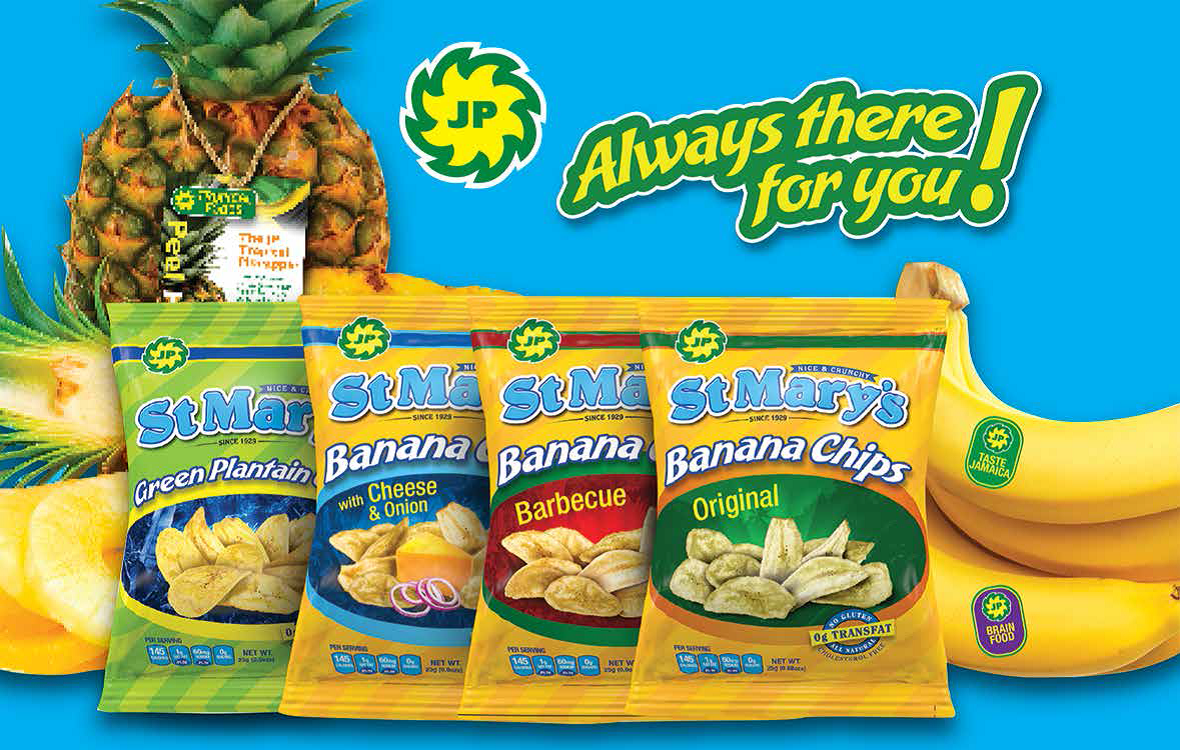
Some of JP consumer products
Take that has a given, but end in 2014, the net results before associate and joint ventures income was just $63 million for the quarter and $42 million for the half year, not earth shattering considering revenues of more than $4 billion for the half year.
Share of profit in associated companies and joint ventures delivered increased results of $172 up from $99 million for 2015 and 2014 quarters, respectively and for the half year $274 million and $167 million partly due to increase shareholdings in Kingston Wharves.
JP management has been hard at work to radically change the group, based on results for the past few years it isn’t easy, although there are now clear enough signs that things are coming together. Producers stock is no longer the darling of investors the way it was in the 1990s and will need to rev up profit and grow at a good clip.