Seprod midyear quarterly interim financial report is quick out of the box, well ahead of the August 14 deadline; last year, the company released the results early as well, on July 23. While the company’s management can be commended for the timeliness of the report, they, unfortunately, fall on adequate disclosure.
 While operating revenues rose marginally, direct cost increased sharply by $1.8 billion, from $5.7 billion to $7.5 billion in the latest quarter. Other operating expenses that include administrative expenses dropped by nearly a billion, from $2.73 billion to $1.75 billion. Management never thought it important to provide shareholders with the reasons for the sharp differences.
The first quarter results had no such variation. The data suggest that investors are not getting information on a like for like basis. It would also be nice if the report stated the number of issued shares.
For the three months to June, the Group’s revenues pushed 8 percent higher to $10.25 billion, from $9.47 billion in the similar quarter in 2020 and netted a profit of $661 million, a minor decrease fall from $668 million in 2020.
For the six months to June, revenues rose 7 percent from $18.6 billion to $19.8 billion, with a net profit slipping from $1.3 billion to $1.21 billion. Other operating income plunged from $94 million in the June 2020 quarter to $50 million this year, while profit fell from $217 million to $178 for the half year.
According to the report of the directors, Paul Scott, Chairman and Richard Pandohie, Managing director, ”the year to date profit performance down 7 percent, showed improvement compared to Q1 results down 14 percent, as we have narrowed the deficit through realignment of the cost structure and price increases in Q2. The cost of goods has climbed considerably driven by global supply chain challenges.” which negatively impacted certain inputs into production.

Some of Seprod”s products.
Segment results show the Manufacturing division enjoying a 7.3 percent increase in revenues to $4.9 billion to third parties and contributed segment results of $1.6 billion, down from $2.1 billion. In comparison, the distribution segment saw an 8 percent fall in profit to $859 million with revenues rising 6 percent to $14.9 billion.
Finance cost declined in the quarter to $233 million from $315 million in 2020 and from $595 million to $501 million for the six months period.
Gross cash flow raked in $1.8 billion, but working capital and long term capital needs, a dividend payment of $220 million resulted in cash increasing just $77 million to add to the $2.79 billion at the end of 2020.
Total current assets stood at $18 billion inclusive of trade and other receivables of $6.4 billion, cash and bank balances of $2.86 billion and $7.8 billion in inventories. Net current assets ended the period at $9.6 billion, with Current liabilities standing at $8 billion. At the end of June, shareholders’ equity stood at $18 billion with long term loans of $11 million and short term borrowings at $2.5 billion.
The stock traded at $69.10 on the Jamaica Stock Exchange Main Market on Friday. Earnings per share came out at 92 cents for the quarter and $1.70 for the half year. ICInsider.com is forecasting earnings of $3.75 per share for this year and puts the stock value at a PE of 18.4 times earnings and above the market average of 16.3. Net asset value is $24.56, with the stock selling at 2.8 book value.
 The improved results for the latest quarter came about with a big fall in inventory input that fell 11 percent from $94.6 million to $84 million, while cost for the nine months declined 9 percent from $295 million to $268 million. Other direct manufacturing costs fell in the May quarter from $30 million to $29 million and for the nine months from $104.4 million to $91 million.





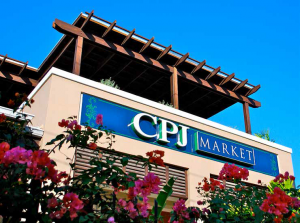
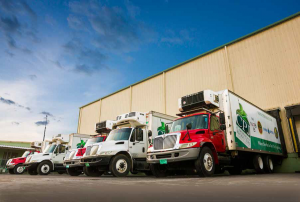 “We have expanded our grocery stores in St Lucia from 3,000 to 8,000 square feet in May and we are building out 9,000 square feet grocery store in the centre of Castries and working on breaking ground and should be ready in six to nine months. In the north of St Lucia, we are looking at a 19,000 square foot retail store and in Montego Bay, we are expanding a 1,200 square feet retail store to 6,000 square feet.” “We have identified acquisition candidate in Jamaica and we are exploring,” Thomas Tyler stated; he went on to further state that the plan is “for revenues in St Lucia to move from US$15 million per annum now to $50 million in 3 years.”
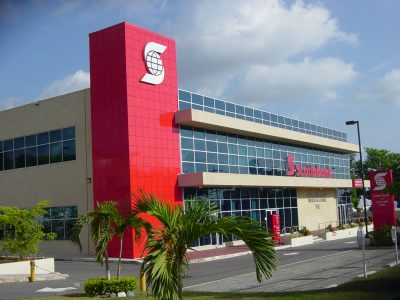
 Salaries and staff costs fell from $2.7 billion in the 2020 quarter to $2.49 billion and six months from $5.45 billion to $5.05 billion. Total operating expenses ended down at $5.59 billion from $5.88 billion and for the half year, cost rose from $13 billion to $13.36 billion.
 Stockholders’ Equity rose to $118.4 billion from $112.4 billion at the end of April 2020. Deposits by the public grew to $361 billion from $334 billion at the close of April 2020 and Investment Securities remained at $145 billion as of April, similar to the same time last year, while cash resources jumped from $92 billion at the end of April 2020 to $136 billion at the end of the latest quarter, but down from $141 billion at the end of October last year.
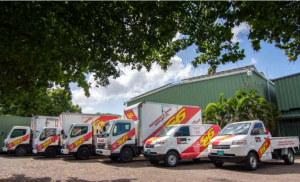
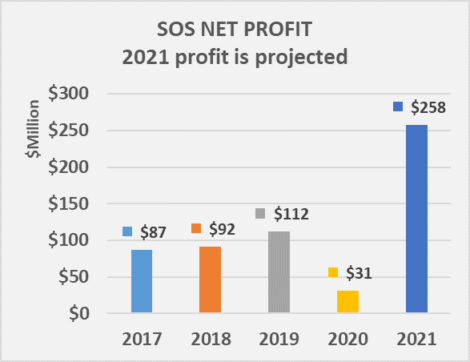 The company enjoys a ten-year tax profit break and will be subject to zero taxation until mid-2022 and 50 percent thereafter for five years.
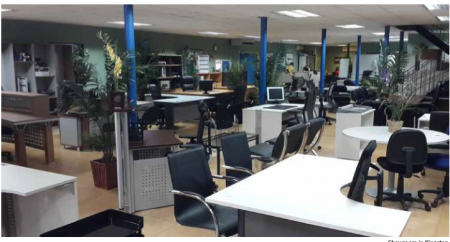 Cash funds and investments amount to $121 million after the company generated cash funds of $69 million before working capital and capital financing needs. ICInsider.com projects earnings of $1 for the financial year to December 2021 and $1.60 for 2022.
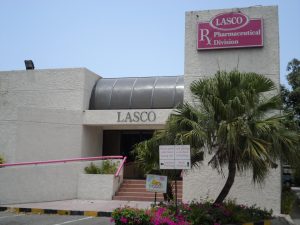 The company enjoyed a ten-year tax profit break and is now subject to full taxation as of October 12, last year.
 The principal activity of the company is the distribution of the manufactured products of Lasco Manufacturing that includes soy-based products, juice drinks, water and packaging of milk-based products and Pharmaceutical and other products manufactured by third parties.