Lasco Manufacturing 2021 profit jumps 41%

Cost cuts and moderate revenue growth drove profit at Lasco Manufacturing 41 percent higher for the year to March this year to $1.33 billion, with the fourth quarter rising 83 percent to $367 million over that of 2020.
Pretax profit jumped a strong 83 percent for the quarter, to $457 million from $249 million in the 2020 March quarter and 46 percent for the 12 months to March, with $1.75 billion up from $1.2 billion in 2020. The profit is subject to full taxation as of October 12, last year.
Gross profit margin came in at 38 percent for the year, up from 37 percent of the 2020 fiscal year. Revenues climbed four percent for the fiscal year, with $6.2 billion but were flat at $2 billion for the fourth quarter.
Administrative and other costs fell 13 percent for the year to March to $1.19 billion from $1.36 billion in 2020, resulting from a fall of $167 million in staff cost from $717 million to $550 million, primarily as the company incurred no share option cost in the year versus $185 million in the prior year. Selling and promotion expenses fell from $291 million to $137 million.
Finance cost dipped from $94 million to $59 million as the company continues to pay down loans that stood at $1.05 billion at the end of March 2020 to $820 million, with $454 million earmarked to be repaid in the 2022 fiscal year. Taxation consumed $376 million of profits, up from $217 million in 2020.
The company’s principal activities remain, the manufacture of soy-based products, juice drinks, water, and packaging of milk-based products.

Lasco Manufacturing products.

Shareholder’s equity stood at $7.9 billion at the end of March 2021. Cash funds and investments amount to $2.35 billion after the company generated $1.6 billion in cash inflows, before working capital and capital financing needs and paying a dividend of $251 million.
Lasco generated earnings per share for the year of 33.2 cents, up from 23.67 cents in 2020. ICInsider.com projects earnings of 40 cents for the fiscal year to March 2022.
The stock last traded on the Junior Market of the Jamaica Stock Exchange at $5.50, with a PE ratio of 16.6 based on the reported earnings and 13.8 based on the 2022 projected earnings. The price target for the stock, to March 2022, is $7-8.

Profit jumps 19.5% at Wigton

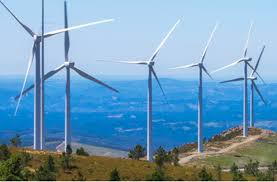
Wigton Windfarm delivered a 19.5 percent increase in net profit of $793 million for the year to March 2021, up from $663 million generated in 2020 from Sale revenues that rose 7.2 percent to $2.59 billion in the year to March 2021 from $2.4 billion in 2020.

Wigton closed at anew high of $1

Wigton traded 65 cents of shares on Wednesday.

This is the second year in a row that the profit is rising, following a 30 percent increase in the 2020 fiscal year over that of 2019.
Other income contributed $218 million to profit up from $221 million in 2020 and incurred direct costs of $789 million for the year against $764 million in 2020. General administrative expenses amounted to $491 million for the year against $479 million in 2020, while finance charges amount to $503 million compared to $527 million in 2020. Taxation ate up 4234 million, up from $206 million in 2020.
The company generated a positive cash flow of $1.6 billion repaid loans to the tune of $710 million and paid out a mere $28 million in dividend.
Wigton ended the year with cash of $3.2 billion and is a part of the total current assets of $3.7 billion but there was only $117 million in current liabilities but the company borrows $5.6 billion and has shareholders’ equity of $4.2 billion.
The company earned seven cents per share, with 2020 coming in at six cents. With the stock selling at 65 cents on the Main Market of the Jamaica Stock Exchange, it appears cheap, but investors have to consider that the company had indicated that the rate collected on one of the turbines will fall sharply from what would have been received for the 2021 fiscal year, as such the reduction is going to have a major negative impact on revenues and profit going forward.
Here is what the audited accounts stated “Wigton Phase II which was commissioned in December 2010 and supplies 18MW power to the grid. The plant was awarded the avoided rate for the energy it supplies and as per the terms and conditions of the Power Purchase Agreement (PPA), the final rate adjustment for this plant was applied at the end of March 2021. The rate adjustment will translate to approximately fifty percent reduction in the revenue from Wigton Phase II in United States Dollars. This is projected to equate to an overall fourteen percent decrease in revenue in Jamaican Dollars.
The effect of the rate adjustment will reduce revenues by approximately $380 million before tax and will result in net profit coming in around $470 million of 4.3 cents per share for the 2021/22 fiscal year and that would put the value of the stock around at the latest price of 65 cents at a PE of 15.”

Mayberry Investments may be worth a spec

Mayberry Investments had one of its better performances in the  March 2021 quarter, with a profit of $365 million that was up from a loss of $1.3 billion for the March 2020 quarter, but one would be hard pressed to glean that from the reaction of investors to the stock that hardly moved before or after the results.
Profit attributable to shareholders was $278 million in the quarter, up from a loss of $971 million in the 2020 quarter. Earnings per share amount to 23 cents for the quarter.
Contributing to the robust outturn was a 33 percent rise in Interest income to $197 million and a fall of two percent in Interest expenses to $135 that resulted in Net Interest income of $62 million, increasing by $51 million over the 2020 first quarter. Fees and Commission Income fell from $130 million to $118 million, primarily due to the following that Mayberry states, “Equity commission decreased by $7.8 million; IPO selling fees income was lower by $27 million and Corporate Advisory fees experienced a $26 million shortfall. In addition, loan processing fees declined by $6.3 million.”
Dividend income grew sharply by $110 million to $119 million that Mayberry attributes to payouts from Supreme Ventures and General Accident Insurance. Revenues also benefited from unrealized gain on investment of $272 million, up from a big loss of $1.13 billion in 2020 following the sharp fall in asset values in the 2020 March quarter, with the outbreak of Covid-19. Other income generated $34 million up from just $2 million in 2020, resulting from the recovery of bad debts during the period. Net Foreign exchange gains of $62 million decreased by $7 million.

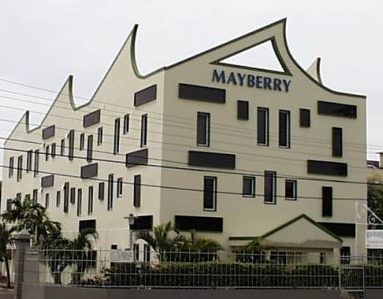
Mayberry Ithe lead broker.

The group suffered a total comprehensive loss of $150.5 million, compared to a loss of $7.5 billion for the corresponding quarter of 2020, with shareholders of the parent company picking up $94 million in the 2021 quarter and $5.5 billion in 2020.
Operating expenses fell by $46 million, from $367 million to $321 million, with salaries and staff related costs falling from $171 million to $145 million and other operating costs dropping from $172 million to $151.
Total Assets at the end of March 2021 amount to $31.5 billion, up from $30.4 billion at March 2020, with investments of $18.6 billion, Reverse Repurchase agreements and Promissory notes account for $6.8 billion, loans and other receivables accounts for $3.4 billion.  At the end of the period, Shareholders’ Equity stood at $12 billion and is up from $9.6 billion for the 2020 period.
The stock is undervalued with a net asset value of $10 per share and a PE Ratio based on estimated 2021 earnings that are around 5 times earnings, that excludes other comprehensive income. There are a number of problems that have weighed down the value of the company, one major one is the inconsistency in earnings over the years. In addition, the company has turned off many of its former loyal customers and other stakeholders over the years.
The stock that is listed on the Main Market of the Jamaican Stock Exchange now trades at $5.65, still below its all-time high of more than $8 reached shortly after it was listed in 2005.

Profit jumps 77% at Honey Bun

Net profits surged 77 percent to $77 million at Honey Bun in the quarter to March, this year from $43 million earned in the 2020 March quarter from a 16 percent rise in revenues to $527 million from $453 million in 2020.
For the six months to March, profit after tax grew 20.7 percent to $112 million from $92 million in 2020, with revenues coming in 13 percent ahead of the 2020 income of $876 million to close out the March 2020 half year at $989 million.
“The improvement was attributable to a number of factors, including the introduction of new products such as the Hot Dog roll and Cinnamon loaf’, chairman Herbert Chong and Michelle Chong, Chief Executive Officer, stated in their jointly signed commentary on the results.
Gross profit for the quarter grew 19 percent to $254 million over the $214 million realized in the prior year, whilst gross profit margin rose to 48 percent from 47.3 percent in the prior year.
“Easter bun sales performed well, in particular, Easter bun exports grew 48 percent over prior year,” the directors reported.
For the half year, gross profit came in at $472 million, 11 percent more than the prior year’s $426 million. Gross profit margin slipped to 47.7 percent compared to 48.6 percent in the prior year. “The decline was due to increased cost of raw materials and other manufacturing inputs that occurred mainly in the first quarter,” the directors stated.
Administrative cost rose 15 percent to $109 million in the quarter from $95 million in 2020 and climbed 18 percent to $216 million for the half year from $184 million. Selling and distribution costs slipped to $59 million from $63 million in the 2021 quarter versus that of 2020 and, for the half year, ended at $128 million for 2021 from 129 million in 2020.

Honey Bun historical earnings with projections for 2021.

“The company invested $69 million in capital expenditure in the period, mainly to upgrade vehicle fleet to service new routes, and to acquire additional manufacturing equipment,” the directors reported.
Fixed assets net of depreciation of $36 million for the half year amounts to $588 million. The company also has investments of $64 million.
Current assets climbed from $474 million at the end of March 2020 to $506 million, including cash and equivalent of $347 million and receivables of $81 million, compared to $119 million at the end of March 2020. Inventories declined from $94 million to $75 million at the end of the half year. Current liabilities stood at $181 million compared to $203 million at the 2020 half year and include trade and other payables of $161 million, down from $180 million at the end of March 2020. The movement in the working capital resulted in net current assets ending at $326 million, 20 percent higher than March 2020.
Shareholders’ equity ended at $939 million that compares with borrowed funds of just $25 million.
The company generated net cash of $168 million for the six months and paid out $42 million for dividends and, after spending to acquire fixed assets and investments, ended up with additional funds of $50 million.
Earnings per share for the quarter was 16 cents and is up from 9 cents in 2020, with the half year ending at 24 cents compared to 20 cents in 2020. ICInsider.com projects earnings of 50 cents per share for the current year giving it a PE of 13.5, slightly above the market average currently of 12.5, but less than others that are priced around 17. The stock traded at $6.75 on Friday on the Junior Market of the Jamaica Stock Exchange.

Fesco big forecasted revenue miss

Future Energy Source went to the capital market at the end of March and was well received by 4,495 investors who snapped up the shares on offer, with investors pushing the 80 cents offer price of over $1 for a nice short term gain.
The company reported their full year results to March this year, with profit before tax of $141 million, up slightly from $137 million earned in 2020, but below the forecast in the prospectus.
Taxation ate up $31.7 million, leaving a net profit of $109 million, up from $105 million in 2020.  Revenues of $5.94 billion in 2020 fell just 2 percent to $5.85 billion in the latest fiscal year, but gross profit climbed 7.5 percent to $191.6 million from $178 million in 2020. While revenues for the year was down, fourth quarter revenues grew a strong 10.8 percent to $1.5 billion from $1.36 billion in 2020 and profit before tax rose to $48.5 from $41.4 million, the net profit for the 2021 quarter seems overstated as Operating and administrative expenses were just $767,621 versus $9 million in 2020, with full year cost of $59.5 million, up from $54 million in 2020.
Finance income net of expenses amounts to $398,872 versus $10.3 million in the 2020 March quarter and $9.4 million for the full year compared to $13 million in 2020. The amounts include foreign exchange gains and interest income with finance cost of $3.6 million for the 2021 fiscal year and $4.4 million in 2020, offsetting total finance income.

Future Energy Source gas station being built close to the top of Beachwood Avenue, Kingston. When fully operational will boost revenues and profit.

Data in the prospectus projected revenues that were $1 billion higher than the outturn, with the forecast being $6.87 billion that is a big miss when the fourth revenue grew by nearly 11 percent. It raises the question about the second year forecast of $10.57 billion, which would now represent a near doubling in revenues. Operating and administrative cost projected at $81 million ended at $59.5 million for the full year, which is just above the cost in the nine months of $58.7 million. The prospectus projected gross profit of $222 million, but the company delivered $191.6 million and had profit before tax projected at $151 million and $132 after projected taxation of $18.9 million, but the company delivered a lower net profit and higher taxes of $31.7 million. a total of $8.8 million of the reduced profit is due to inventory items consisting of pumps and other equipment which were incorrectly classified under property, plant and equipment being written-off to cost of goods in the final numbers.
The company shareholders’ equity stood at $319 million, up from $205 million in 2020 due to the profit made during the year as the IPO proceeds came in after the year end that will be swelled by $245 million. Current assets stood at $284 million with cash at $73 million, while current liabilities amount to $193 million.
Property, plant and equipment moved from $127 million to $256 million, with work in progress on the building of the gas station on Beachwood avenue accounting for $124 million.
The stock traded at $1.05 at the close on Friday, $1.05 on the Junior Market of the Jamaica Stock Exchange at a PE ratio of 8 times ICInsider.com projected earnings of 13 cents.

Sygnus portfolio expansion drives profit 80%

Sygnus Credit Investments reported record nine-month results to March this year, following growth in its private credit investment portfolio to US$73.6 million, from US$47.4 million a year ago. The rapid increase was aided by funds raised in an additional public offering (APO) in January this year that raised US$27 million in additional capital.
Net profit attributable to shareholders grew US$1.02 million or 79.6 percent to a record US$2.29 million for the 2021 nine months period, from US$$1.28 million for the nine months to March 2020. For March 2021 quarter, net profit climbed to US$1.03 million from a loss of US$355,800 in 2020.

Weighted Average Fair Value Yield on Portfolio was 11.8 percent in the March quarter, up slightly from 11.3 percent in 2020 but a bit lower than the 12.3 percent generated for the 2020 fiscal year.
Earnings per share amounted to 0.56 US cents for the nine months to March 2021, up from 0.36 US cents for nine months period in 2020. EPS for the March 2021 quarter amounts to 0.20 US cents, from a loss of 0.10 US cents per share for 2020.
Total investment revenues grew an attractive 45 percent to a record US$5.6 million, for the nine months to March, from US$3.88 million earned in the nine months ended March 2020. For the 2021 March quarter, total investment income grew by 44 percent to a record US$2 million, up from US$1.4 million in March 2020 quarter.
Total expenses incurred amounts to US$680,200 in the March quarter versus US$1.94 million in 2020 and for nine months to March 2021, US$2.32 million and US$1.29 million for the similar period in 2020.
Interest Expense for the latest quarter amounts to US$475,745, up from $355,266 in the 2020 quarter and US$1,454,049 for the nine months to March compared to just US$472,002 in 2020 and resulted in Net Interest Income of $1,546,309 for March 2021 quarter versus US$1,052,737 in 2020 and US$4,170,676 for the nine months to March this year, up from US$3,408,064 in 2020.
The company had fair value gains on Investments and other income of US$165,822 in the March quarter versus a loss of US$122,246 and for the nine months to March 2021, US$189,945 compared to a loss of US$57,082 in 2020. Net foreign exchange losses of US$32,506 were incurred in the March 2021 quarter versus US$714,427 in 2020, with nine months losses of US$82,457 this year against US$1,018,292 in the 2020 period.

Sygnus Credit investments hit record

Impairment allowance on Financial Assets amounts to US$27,573 in the March 2021 quarter, down from US$180,417 in 2020 and US$224,019 for the nine months to March 2021 versus US$302,873 in 2020.
Management and corporate services fees combined rose 56 percent to US$470,116 from US$301,683 in 2020 and grew 69 percent for the nine months to US$1,239,955 from US$735,829 in 2020 as the portfolio under management grew.
Shareholders’ equity stood at $64 million at the end of March, up from $37 million in March 2020. Funds borrowed and used for funding purposes amounted to $19 million, but Jason Morris, a director of the company, states, that they can take the borrowings up to 1.25 times equity, giving them latitude for increased lending to their clients. Morris suggests that the cash on hand of $8.2 million at the end of March would have dwindled by the end of the June year end as they continue to fund new projects and that the pipeline of deals remains robust.
Funds garnered in the public offer that was completed on January 26, was not fully deployed throughout the March quarter, an important factor to consider in assessing the prospects for the June quarter and beyond.
ICInsider.com projects 0.9 US cents of J$1.45 for the 2021 fiscal year and 18 US cents or J$2.70 per share for the fiscal year ending June 2022.

Fontana Q3 profit jumps

Revenues at Fontana increase by 4.2 percent to $1.22 billion for the March quarter over the $1.17 billion generated in the 2020 March quarter, pushing net profit for the quarter up an impressive 238 percent to $73 million from just $21.6 million in 2020.
Gross profit rose at a slower pace to that of sales growth, with an increase of just 3 percent to $416 million, from $404 million in 2020, which management attributes to a shift in sales mix during the period. “Revenue on some of our higher margin products declined slightly, we saw increases in lower margin product sales which drove the top line,” the directors reported in their commentary on the results.
For the nine months to March 2021, net profit jumped 56 percent to $367 million over the $235 million earned in the 2020 period. The improved profits flowed from an 11 percent rise in revenues to $3.88 billion from $3.49 billion in 2020 for the nine months.
Administrative and other expenses fell from $325 million to $309 million for the quarter and from $944 million in 2020 to $926 million in the nine months to March 2021, while selling and promotion expenses went down to $20 million in the quarter from $22 million and from $79 million in the nine months to $68 million.
Finance costs rose to $32 million, impacted foreign exchange losses recorded in relation to the revaluation of the lease liability, resulting in an additional cost of $12.4 million for the period, the company reports.
Cash flows from operating activities generated $541 million for the nine months, up from $387 million in 2020, but after paying dividends of $100 million, repaying loans and lease commitments of $92 million and providing working capital of $210 million was retained and added to the balance of cash funds of $599 million previously pushed cash on hand to $809 million, an increase of 52 percent.
Current Assets rose from $1.4 billion to $1.76 billion, while Current Liabilities fell from $846 million to $725 million as payables fell from $655 million to $586 million, leaving the company in a healthy financial position. Shareholder’s Equity grew 21 percent to $1.76 billion, from $1.45 billion over the prior year.
Earnings per share ended at 29 cents compared to 19 cents for the previous financial year. ICInsider.com forecast is for earnings of 40 cents for the current fiscal year and 50 cents for 2022. The stock trades on the Junior Market of the Jamaican Stock Exchange at $6.

Revenue bounce for Transjamaican Highway

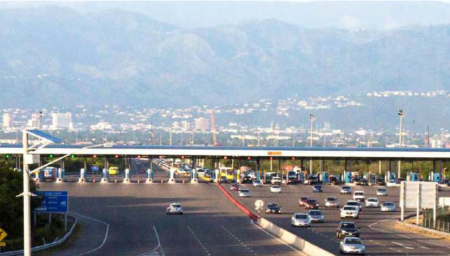
Revenue slipped just five percent to US$12.3 million, at Transjamaican Highway, from US$13 million for the 2020 March quarter, in spite of the continued disruption of the ongoing COVID-19 pandemic.
The performance is commendable, viewed against the modest rise the company enjoyed for the 2020 period with two and a half full months of uninterrupted service. The company reports that revenues for March 2021 increased by 5.63 percent over March 2020.
Profit before tax ended at US$600,000, up from a loss of US$1.5 million for the same period in 2020. The company had other income of half a million US dollars, primarily due to the exchange gains.
Operating expenses fell by US$0.5 million to US$8.1 million, from US$8.6 million in 2020, primarily due to lower amortization of the intangibles, offset by increases in insurance cost and the Operator’s fixed fee. Administrative expenses remained low at just US$270,000, compared to US$310,000 for the 2020 period, primarily due to reduced travel and accommodation costs resulting from the COVID-19 restrictions.
Finance costs dropped US$1.8 million to US$3.8 million from US$5.6 million in 2020. This decrease resulted from Interest payments made only on the Secured Notes and the 8% Cumulative Redeemable Preference Shares during the 2021first quarter as versus 2020 when interest was paid on the short-term bridge facilities which were repaid during the first quarter to March 2020, from proceeds of the secured notes.
Gross cash flow brought in US$3.4 million in the quarter, while Shareholders’ Equity ended at US$58 million, with the net asset value at J$0.70, down from US$68 million for March 2020. Borrowed funds stood at US$245 million at the end of the period, but free cash amounts to just $$2.5 million. Current Liabilities ended the quarter at US$12.7 million with Current assets at $3.7 million.
The company seems set to generate revenues in the US$50 region for the current year with profit ending around the US$2 million or 2.5 cents Jamaican per share, putting PE ratio at 44 times 2021 earnings with the stock trading at $1.33 on the Jamaica Stock Exchange Main Market. It won’t be until 2022 that revenues will be back on track so that profits will reach a level to justify the current stock as being reasonably priced.

tTech profit jumps 94% in Q1

Profit jumped 94 percent in the March 2021 quarter, to $8 million from $4 million in 2020, with revenues that rose 10 percent, to $96 billion from $88 billion in 2020 at tTech.

Gross profit margin slipped in the quarter to 67 percent from 69 percent in the prior year’s first quarter, but gross profit rose to $65.6 million from $61 million in 2020.
Administrative expenses increased 7 percent to $55 million in the quarter from $52 million. Marketing and sales expenses declined by 39 percent to $4.8 million from $7.8 million in 2020. Finance cost declined, to just $582,000 from $607,000 in 2020.
“tTech has had an encouraging start to 2021. Our marketing activities during the second half of 2020 have begun to bear fruit; also, customers who reached out to us for assistance as a result of the pandemic are requesting more services and products.  Several other new opportunities have been converted, contributing positively to revenues and profits in the quarter.  Another major contributing factor towards the momentum is tTech’s continued rollout of a holistic business management system to align and synchronize our business processes, particularly in relation to service delivery,” the chief operating officer and director, Christopher Reckord stated in his report accompanying the quarterly.

tTech net profit from 2017 to 2020 with the projected profit for 2021.

Gross cash flow brought in $7 million. Working capital movements resulted in an improved cash position for the quarter of $15 million, pushing cash and equivalent to $132 million, up from $116 at the end of December last year. At the end of the quarter, shareholders’ equity stands at $247 million and the company has $28 million in long-term debt on its books. Net current assets ended the period at $268 million, well above the amount for Payables of $65 million.
According to Rickord, the company added six new staff members in the year, including two administrative personnel and four technical persons. That number may increase as the year progresses as the pipeline of potential projects grows. The increased staffing brings the total to 55. Reckord says that revenues will continue to grow during the year, based on the pipeline of projects lining up. ICInsider.com raised the question of the first quarter performance continuing for the full year?  He indicates that they are those within the organization who feel that the growth in the first quarter indicates what can be expected for the remainder of the year.
Earnings per share came out at 8 cents for the quarter, up from 4 cents in 2020. The stock traded at $4.60 on the Junior Market of the Jamaica Stock Exchange with a PE ratio of 10 times 2021 earnings, with ICInsider.com forecasting 50 cents per share for the full year and 90 cents in 2022.

Salada stock price built on folly

What is going on with Salada Foods share price is the question of a number of investors with the price having been pushed to a record high of $100 in 2021 on a pre-split basis, with the last traded price for the stock at $9.30, the equivalent of $93 on a pre-split basis.
Before the company announced a ten to one stock split, the stock traded at $28.22 on January 12, this year, the day Salada Foods’ directors advised that it will be considering a stock split at a board meeting scheduled to be held on January 21.  The next day the price jumped to $34.04 and hit $47.89 on February 8 but pulled back to $38.09 on February 22.
The stock traded ex split on March 30, with the last trade for the day at $5.45. The day after, news reports incorrectly said the stock price had tumbled 85 percent, but the price actually rose to a record high. The JSE trading report for that day currently shows that the price hit a 52 weeks’ low of $4.95 with the 52 weeks’ high of $50.50.  On April 1, the highest price for the day was a record $7.20, but the JSE shows the 52 weeks’ high of $50.50 and the low as $4.95. On April 6, the highs and lows were adjusted to $7.20 and $2, but the graph of the stock price on the exchange still shows the high at $50 as there is no adjustment for the historical prices that would allow for proper comparison. The JSE has a note at the time of the sharp price change as a Capital Distribution, which is not correct as there was no such event.
The above leaves many investors confused. No wonder they are pushing the stock to levels that defy gravity and logic. The news that the stock fell 85 percent sent many unsuspecting investors flying into the stock thinking they are getting a bargain.
Salada reported earnings in the December quarter of 13 cents per share on revenues that fell from $288 million in 2019 to $226 million in 2020. If it is assumed that sales return to the 2019 level for the rest of the 2021 fiscal year with the same profit margin without any further increased cost, the company would earn around 23 cents per share for each quarter, putting full year earnings under $1 before the ten to one stock split. It would mean earnings per share of fewer than 10 cents, putting the PE ratio at an aggressively high of 90 times earnings. Is the company doing some things that will lift earnings dramatically? Is the question that needs an answer? To justify the current stock price, it would require earnings per share somewhere in the 50 cents region, based on the 1 billion shares now issued or $500 million for the year. That is not going to happen anytime soon.
This is a classic case for the company and the Stock Exchange to have provided the public with information on the company’s operations so that investors can be protected.