 Profit before tax for Trinidad’s Point Lisas Port Development Companyand excluding the impact of fair value gains was $15.3M, an increase of 358 percent compared to the same period last year of $3.3M this flowed from a 19.6 percent growth in revenues. Including gains on valuation of investment properties the company reported profit of TT$67 million versus $36 million in 2014.
Volumes handled by the port grew strongly with the containerized cargo operations experiencing a 25 percent increase in volume but general cargo operations suffered a 13 percent compared to the levels recorded in 2014. The growth in containerised cargo resulted from a 10 percent increase in imports, an 11 percent increase in exports along with a 94 percent increase in trans-shipment cargo. For general cargo there was an 88 percent decrease in exports, a 7 percent increase in imports and a 320 percent increase in trans-shipment.
Direct cost rose faster than the growth in revenues with an increase of 29 percent. Administrative expenses remained relatively stable during the quarter at $21 million but other operating expenses declined to 158 million from $20.5 million.
The Group’s total assets grew to $2.33B in the first quarter of 2015, an increase of 3 percent from December 2014 when the asset base was $2.26B. Working capital continues to remain strong having improved from $49M at December 2014 to $65M in March 2015. The shareholders’ equity stood at “PLIPDECO will continue to embark on various endeavours as determined in its strategic plan. These include among other things infrastructural improvements, information technology upgrades (some already implemented during the first quarter 2015), and continuation of the Port expansion project. The preceding undertakings would further enhance efficiency and productivity to effectively position PLIPDECO in its drive towards continued growth$1.966 billion” Ian Atherly, Chairman of the company told shareholders in his report accompanying the quarterly results.
At the rate of income generation in the first quarter Point Lisas could earn around $1.70 per share excluding cap gains in 2015. The stock which is listed on the Trinidad & Tobago Stock Exchange and traded as high as $8.25 in 2007, last traded at $3.69. The net asset value of the stock is $49.60.
The stocks is undervalued and seems to be an interesting, IC Insider is maintaining a BUY RATED status on the stock.
Point Lisas undervalued shares
JSE profit surged – 2016 could be big
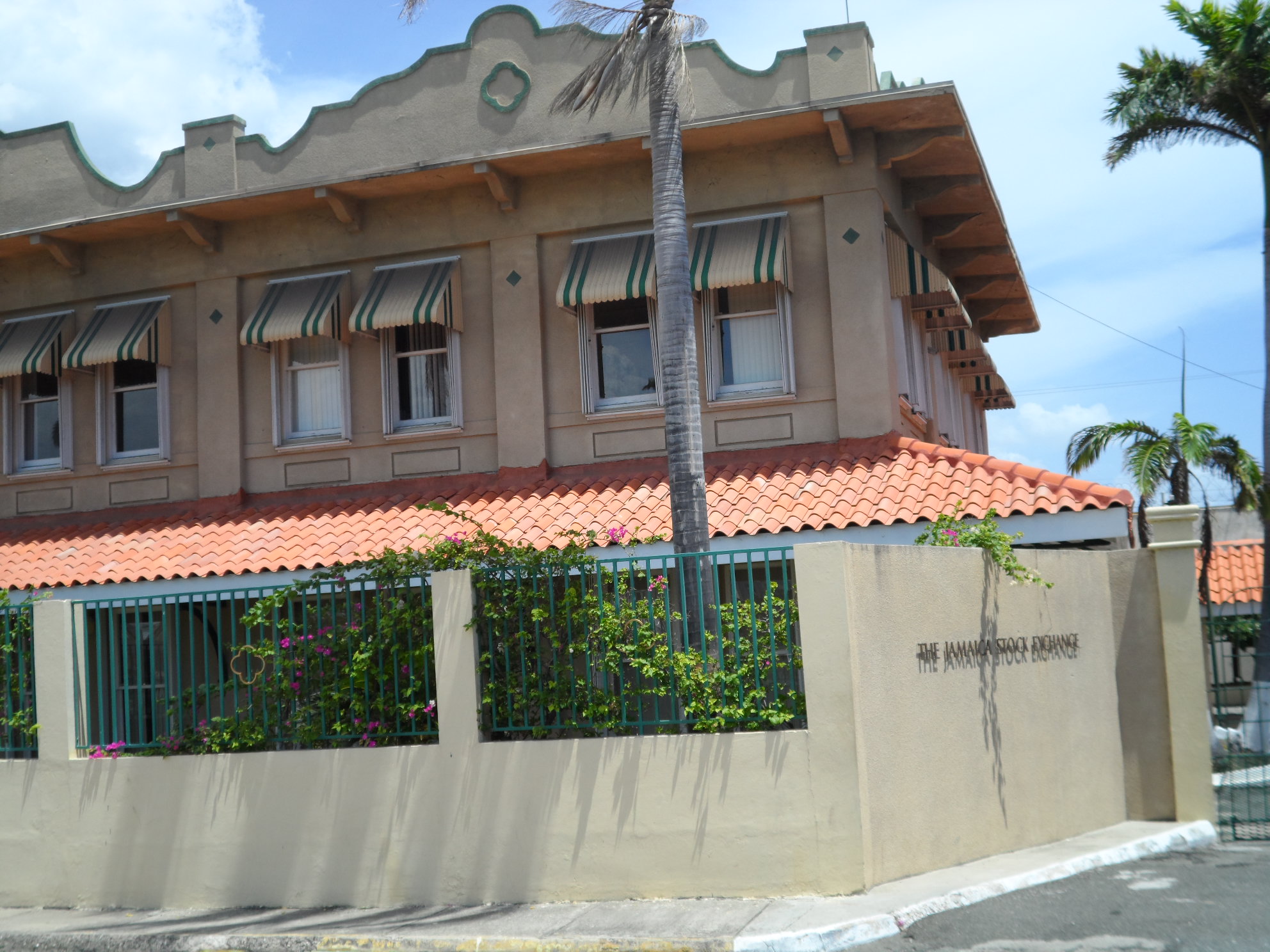 Jamaica Stock Exchange reported a huge jump in first quarter earnings showing profit of $87 million or 62 cents, up from a loss of $3 in 2014, after tax. Revenues jumped from $82 million to $253 million, on the back of 10 fold increase in cess, due to primarily to the transfer of ownership of the controlling interest in Scotia Group, from the Canadian parent, to one set up to own the Caribbean entities directly.
Total cess income jumped to $161 million compared to only $15 million. Access Financial managing director switched ownership of his shares to a company, resulted in a transaction over the exchange of $1 billion and Pan Jamaican Investments had a $1.3 billion transaction in March. While the latter two unusual transactions would have increased the cess around $12 million, the cess for Scotia Group is estimated by IC Insider at around $120 million, leaving around $40 million as cess from normal ongoing operational activities. Trading values grew by 27 percent in the first quarter, including the two transactions in March. Fee income which rose by 67 percent would have been partially impacted by the big one off transactions, but increased value traded and a slight increase in listing fees would also have helped.
In the second quarter to mid May trading has increased 333 percent to $2.6 billion, the amount is equal to the total value traded for the entire second in 2014. The increased value of trading will lead to increased fees. In the 2014 second quarter, income from cess was only $10 million and fee income $45.5 million. Not only will the cess rake in more funds from the increased volume of trading now on the way but also from an increase in the rate charged for cess over the 2014 level.
While the increased trading activity so far will lead to increased fees for the second quarter, the potential income will be no more than around $100-120 million and will be sufficient to produce a profit for the quarter and help in lifting profit for the full year beyond $1 per share.
Looking forward, with more unit trust schemes being set up there will be more demand for stocks to satisfy the demand of equity funds. The Stock Exchange is poised to take over repo trading and acting as the registrar for them and result in additional fee income is going in the not too distant future, also of great import is that rising stock values increases the base for listing fees to be levied in 2016.
The exchange has cash and investments of $500 million with a working capital ratio of 2:1 and equity of $650 million. The stock remains IC Insider BUY RATED and is now available at $3.50 which it traded at on Friday, but won’t remain that way forever and investors should be buying this one for big long-term gains.
NCB insiders buy up shares
 National Commercial Bank (NCB) advised the Jamaica Stock Exchange that a party connected to three directors purchased 552,790 of the group’s shares on May 7, another amount of 77,886 shares on May 8 and 843,924 on May 11.
NCB posted improved results in its latest quarterly report which shows a 7 percent increase in profits to $3.27 million over the similar quarter in 2014 and profits of $5.4 million for the six months to March. The stock which closed at a 4 1/2 year high of $31.10 on Wednesday, has gained 82 percent since bottoming out last year summer, at $17.
The purchases come amidst reports that NCB is slated to pick up a large block of Guardian Holdings shares. Insiders may not have stopped buying as NCB Capital Markets still a bid for an undisclosed amount at $30.
Salada makes big recovery
 Salada Foods reported recovery in profit in the March quarter, from increased sales of 78 percent, to hit $220 million, from a disastrous March 2014 quarter with sales of only $124 million.
The recovery is also from a very poor first quarter when a small loss was incurred. For the half year, the company reports profit of just $28.4 million from sales of $354.6 million. The company is reporting strong growth in exports for the year to date. Exports now accounts for 30 percent of sales compared to 18.4 percent in 2014, the company reported in its release with the financial data.
In 2014, sales amounted to $251.6 million, with profit of $28 million after tax. Profit for the March quarter amounted $29 million up from $9 million in 2014. Losses increased in the subsidiaries that in 2012 acquired Roberts’ brands and now processes products under that name, with minority shareholders picking up $3.2 million of the losses in 2015 versus $1 million in 2014 for the quarter and $5.2 million and $2 million for the six month’s respectively. Earnings per share ended at 31 cents for the quarter and 32 cents for the six months. 
Receivables which stood at $283 million is now down at $146 million but inventories shot up to $409 million from $227 million at September last year. Cash is now at $95 million and increase over September’s $75 million.
Salada produces the Mountain Peak coffee but also manufactures and sells a variety of beverage based products as well as jello and some other consumer products. The stock is listed on the Jamaica Stock Exchange and last traded at $9 and is one of the few stocks not to have participated in the ongoing market rally.
National Flour Q1 profit is Buy Rated

National Flour closed at a 52 weeks’ high of $1.70 Tuesday.
Earnings per share ended at 7 cents for the quarter, if the trend continues the company should generate around 30 cents per share in profits for 2015.
The 2015 results flowed from a 21 percent increase in revenues to reach $121.5 million. Improved efficiency resulted in gross profit margin jumping to 24.5 percent from 18 percent in 2014. Administrative expenses jumped sharply in the quarter over that of 2014 by 77 percent to $11.9 million, while selling and distribution cost rose by 20.5 percent to $7.9 million.
National Flour generated $14.9 million in cash flows in the quarter but used it to fund increased working capital needs. In Addition it used up some of the cash funds it had on hand at the end of 2014 totalling $43 million to pay down the loans, reducing loans from $122 million to $94 million, leaving $19 million in cash at the end of March.
The stock which is listed on the Trinidad and Tobago Stock exchange closed on Tuesday at $1.70 but is selling at a low PE of just 5.6 times this year’s earnings, making it extremely cheap based on Trinidad’s usually high multiples that tends to be in the high teens.
Based on the 2015 results reported and our projection for the full year, IC Insider has elevated the National Flour status, to Buy Rated.
Honey Bun sweetens profits
Honey Bun continues to recover from poor results for 2014 with a 20 percent sales growth in the second quarter of the current financial year and an increase in gross profits of 24 percent compared with the corresponding period last year.

Honey Bun ended at a 52 week’s closing high on Thursday.
Profits also benefited from improvement in gross profit margins, which increased to 43.6 percent in the quarter from 42.3 percent in 2014 and came in at 44.4 percent for the six months, up from 44.07 percent. Earnings per share ended at 50 cents for the six months and the company should go on to increase this in the remaining quarters.
The improved revenue picture translated into profit before taxes, rising 145 percent over the prior year for the quarter of $30.5 million. The increase was partially due to the normalizing of distribution costs compared to 2014, when there were disruptions to this aspect of the business. For the year to date, sales revenues increased 16 percent, and profits climbed 41.6 percent to $47 million. Sales and profit would have benefited from the Easter falling to the end of the quarter. The company usually have a poor September quarter with lower revenues than the others.
Administrative costs rose marginally in the quarter to $44.79 million. In 2014, Honey Bun incurred $43.98 million in this category and for the six months, $89.85 million versus $85.24 million. Selling & distribution costs rose to $32 in the quarter from $30 min 2014 and for the six months, $62.3 million compared with $52.9 million. “Exports increased by 43 percent for the quarter and by 66 percent year to date over the corresponding periods’, management indicated.
The company’s equity stood at $356 million while cash and investments grew to $61 million, receivables of $72 million were slightly up on 2014 levels while inventories kept steady at $45 million and payables declined to $56 million from $64 million in 2014.
The company’s stock last traded on the junior market at $1.90 but now has a bid at $2.35 to buy 12,000 units.
Agostini’s sales up profits flat

Super Pharm one of Angostini’s brands
For the March quarter, profit slipped in at $17.6 million versus $18 million in the prior year. Earnings per share were the same 76 cents, the same as in the prior year.
Pharmaceutical & Personal Care Distribution segment saw increased revenues of 9 percent and profit with profit rising 16 percent from $47 million to $55 million but while revenues rose 12 percent in the Food, Construction Related & Other Trading segment but profit declined 37 percent from $19.5 million to $12.3 million
The group acquired companies in the “Fast Moving Consumer Goods” sector in Barbados and in Guyana in the first quarter. “We have made good progress. We are in the process of bringing Group benefits to these operations, and expect meaningful contributions in the future” management stated in their release with the results. The Group expects to make additional strategic investments in the near term.
Although energy prices have recently stabilised, the Trinidad & Tobago economy is expected to be negatively affected in the short to medium term, as energy prices are substantially lower than a year ago.
Based on the results, the Directors agreed to maintain the interim dividend at 22 cents per share to be paid on 22 June, 2015.The company’s stock trades on the Trinidad and Tobago Stock Exchange with the last price being $17.25 giving it a PE of 11.5 times this year’s earnings.
Agostni’s had equity of TT$579 million long term liabilities of $170.4 million and positive working capital of $317 million at March.
Access Q1 profit jumps 72%
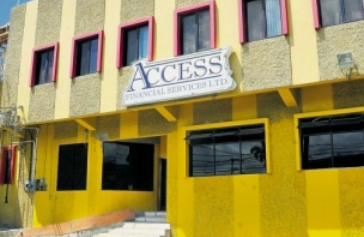 A fifteen percent jump in revenues at Access Financial Services saw profit before tax almost doubling to $157.6 million, up from $79 million in 2014. After providing $20 million for corporation taxes Access ended with $137 million profit or 50 cents per share for an increase of 72 percent. The good fortune did not all come from ongoing income and expenditure as loan losses fell from $39 million in the March 2014 first quarter to only $3 million in the latest quarter. Gains from the purchase of loan portfolios from Appliance Traders and Proven Investments resulted in a one off profit of $11 million. These acquisitions increased loans on the books to $1.5 billion from $1.1 billion at March 2014 and the profit pushed the equity capital to $900 million.
For the full year earnings should touch $2 per share, the stock is priced at $15.10 with a potential PE of 7.5, with its growth potential and limited available shares on the market, this valuation may be considered low.
Proven Investments who bought out the Mayberry Holdings last year December, is laughing all the way to the bank for having picked up the block of shares at a bargain price of $9 each.
Access is a junior market listed company on the Jamaica Stock Exchange and is primarily involved in payroll based lending.
Mayberry post good Q1 numbers
 Mayberry Investments released first quarter results for 2015, showing earnings of $82 million or 7 cents per shares, after booking the full amount of asset tax amounting to $49 million in the quarter. In the prior year the company reported profit of $76 million or 6 cents per share reflecting total asset tax of $6 million. The quality of the earnings is encouraging with no one area being dominant especially areas that are less predictable such investment gains. Helping with the improved results are increases in net interest income amounting to $22 million as interest expenses fell while interest income held close to 2014 levels, dividend income rose by $29 million and trading gains by $18 million as other operating expenses fell by $25 million and bad debts declined by $14 million. The improvements were offset by a fall out of the share of profits of $31 million from the former associate, Access Financial Services. Based on these latest results, profit for the full year should come in around 30 cents per share. Profits should, however, get a big boost from stock market gains, with the upward movement of stock prices since the end of the first quarter as well as increased commission from equity trading with volumes in the overall market increasing around 40 percent so far this year. Mayberry is likely to see substantial gains in the equity portfolio which stood at $3 billion at the end of December last year, with the recovery in the local stock market, to date with more expected during the remainder of the year. IC Insider sees the gains to be had from the large pool of equities as the most appealing attraction for future gains from an investment in this investment bank’s stock, accordingly, the stock is seen as Buy Rated for medium to long-term investment.
Total assets climbed to $23.7 billion from $21.8 billion at March 2014 with equity of $4.3 billion and the stock last traded on the Jamaica Stock Exchange on Friday at $2.75, close to a PE of 9 based on this year’s estimated earnings.
Trinidad Stock Exchange pockets $2.74M
 The year 2014 saw the stock exchange in the Southern Caribbean, struggling to hold its own against profits made in 2013, with 39 percent fall to $2.74 million.
Revenue excluding investment income totalled $14.07 million, and was only 5.6 percent less than the $14.9 million in 2013 as reductions in transaction charges and bond trading Income were mitigated by increases in registrar and other Income.
Investment Income of $2.015 million was marginally less than the $2.021 million booked in 2013 as lower interest rates dampened the effect of higher investment balances. Total revenue, including investment income, was $16 million, 5.0 percent lower than the $16.92 million generated in 2013. Operating Expenses totalled $12.4 million, an increase of 11 percent from the corresponding charges for 2013 with consultancy and legal expenses contributing to most of the increase as the organisation completed a human resources review and also increased its regulatory activities. Consolidated total assets closed 2014 at $72.3 million, Shareholder’s equity $68.9 million and retained earnings at $54.6 million.
The stock exchange may be holding its own financially, but they have hiked fees to investors as stayed away from stock investments the same has been happening Jamaica, suggesting that there should be a push for the two exchanges to start merger discussion probably starting with back room operations.