Caribbean Cream profit up 138%

Caribbean Cream profit jumps 138% in Q1-2015-16

Caribbean Cream profit jumps 138% in Q1-2015-16

It seems to have taken a bit longer than expected for Caribbean Cream to start showing some of the major potential it exhibited on going in public in 2013. Slower revenue growth and higher cost are some of the factors that held back the promised profit out turn. The company now seems over those initial drags and appears poised for a fabulous year, with increased profits and big gains in the stock price, well above the $2.50 peak, reached in July.
That seems to be receding with a big jump in profits for the full year to February when profits climbed to $57 million from $35 million for 2014 and a big leap in the first quarter ending May, jumping 138 percent to $39 million. Growth was only constrained by added cost for cleaning and sanitation which helped push administrative cost to $56 million by $20 million. Loans are down $20 million and brought interest cost down. Inventories fell from $96 million to $61 million, the fall in the world market price for milk powder would have been a major factor behind this, coupled with a greater level of stability of the Jamaica dollar that would suggest there was little benefit from having large amounts of inventories. Trade receivables climbed $20 million, cash moved to $51 million from $17 million in 2014 and could end up around $200 million by the end of fiscal year to February 2016, payables declined from $109 million to $80 million and equity capital has moved to $326 million, lending strength to the company’s improving financial health.
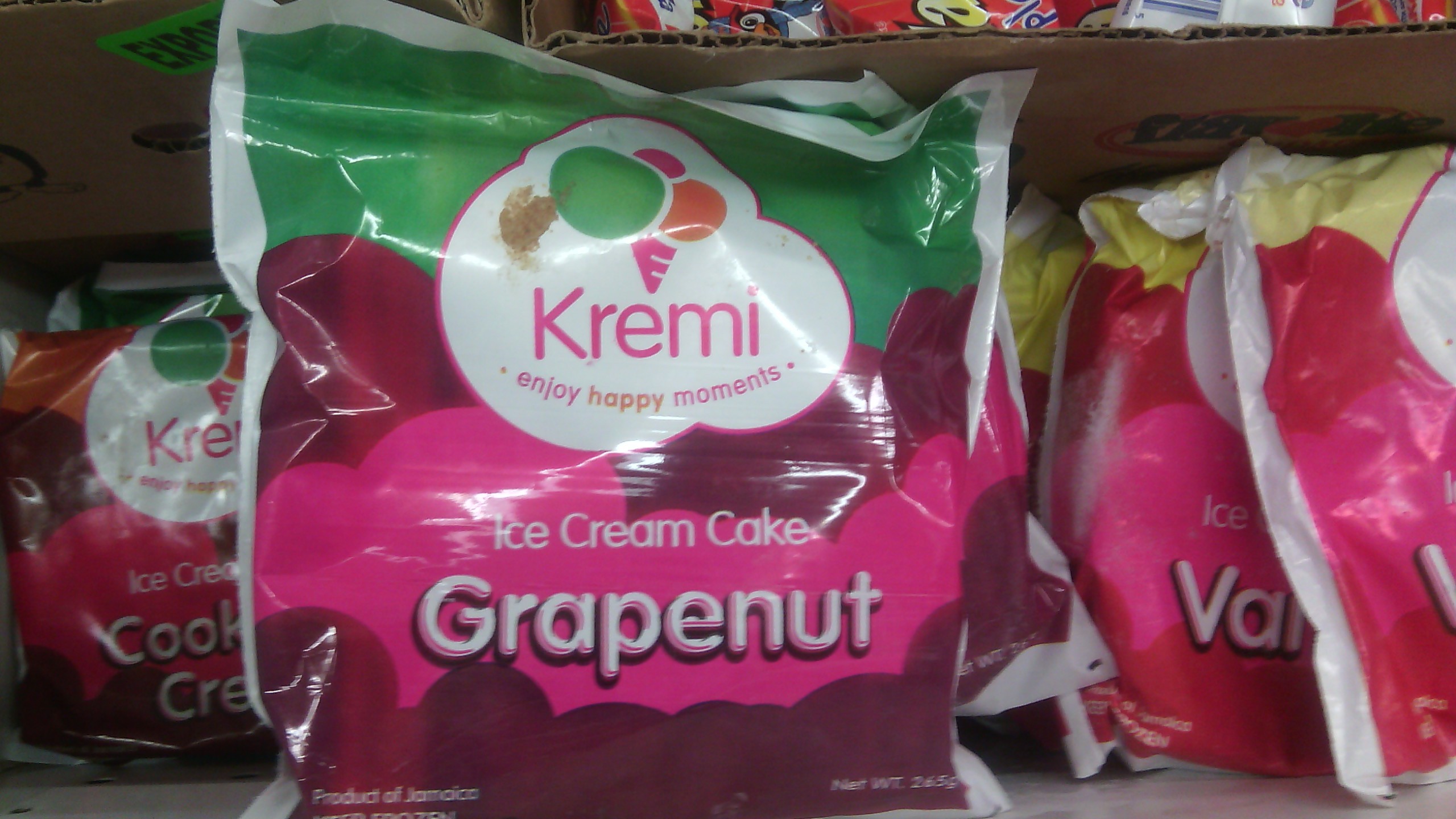
Kremi GapntFor the quarter, revenues climbed 15 percent to $289.2 million from $251.5 million in May 2014 and was better than for the February quarter of $273 million. The growth in revenues is better than the 11 percent garnered in the February quarter. Lower operating expenses of $178 million versus $183 million in 2014 drove gross profit up 61 percent with profit margin jumping to 38 percent from 27 percent in 2014 and was helped by a 13 percent price increase ahead of the February quarter. Marketing costs remain static at $11 million while interest cost fell from $5.8 million to $4.6 million.
Earnings came in at 10 cents per share, well over the 4 cents reported in 2014 and not very far from the full year earnings of 15 cents. Earnings for fiscal year ending 2016 should hit 75 cents per share as cost savings and marketing measures take effect. The price of milk powder, a major input into the production of ice cream, fell 25 percent since the end of the May quarter to the end of August on the US market and looks like it headed lower, will result in major cost savings. The company enjoys 5 years tax free holiday commencing in 2013 when it listed on the junior market of the Jamaica Stock exchange and after that is entitled to 5 years of taxation at half the regular tax rate.
The stock traded at $1.67 on Friday on the junior market of the Jamaica Stock Exchange but was as high as $2.50 coming from a low of 61 cents earlier in the year. The next set of results due early October, will most likely give the stock another shot in the arm.

Knutsford’s flawed audited statements

KnutsIf the Jamaica Stock Exchange and the Financial Services Commission have the interest of investors at the forefront for protection they would demand the total withdrawal Knutsford Express’ audited reports for 2014 and 2015. The audited statements for both years, are filled with errors or questionable treatment of transactions, raising questions about the accuracy of the entire reports.
The report for 2015 has profit of $69 million or 69 cents per share versus $50 million in 2014 or $1.07 cents per share after deferred taxation of $5 million (2014: $5.6 million). Revenues amount to $454 million, a big 38 percent increase over the $329 million in 2014. Problem is that the earnings per share for 2014 is overstated due to inaccurate computation of the average number of shares issued in 2013. Further, the audited statement while showing earnings per share of $1.07 for 2014 in the income statement, goes on to state erroneously by way of a note, that “using the weighted average number of shares at end of 2015 would result in earnings being 50 cents for 2014”.
Since Knutsford is not taxable for the next 4 years it is difficult to see why the company would need to compute differed tax charge when whatever timing difference is likely to be less than 4 years on which no tax would be payable, the report does not give details so it is difficult to determine what items would result in such differences, but a look at the detailed expenses suggest that at best it would be a one year difference hence there is no need to book the differed tax.
JSE signThe audited financial report states “During January 2014, the Company raised additional capital of $99,862,700 from its initial public offering of 99,999,003 shares for its enlistment on the Jamaica Stock Exchange Junior Market”. This of course is completely wrong since the company issued 26 million bonus shares in 2013. While the public offering was for 20,000,000 ordinary shares, only 4,867,338 shares were offered by the company and 15,132,662 shares were existing shares of the pre IPO shareholders. At the time the IPO came, 95,132,662 ordinary shares were already issued, the average number of shares should be around 60 million rather than 46.8 million used to compute the 2014 EPS which would have worked out around 83 cents. That is around what it is and should be reported as. In addition there is no need to re-compute this figure and the 100 million shares in existence won’t change it one bit.
In the taxation note it states that the company at the end of 5 years “is required to delist and pay all exempted taxes within 5 years or opt to list on the main exchange for the next 5 years to maintain tax exemption received in the last 5 years. That seems to be stated incorrectly, IC Insider went to the manager of the stock exchange for clarification.
“ Those companies that have been given five (5) years will have to remain listed for 10 years as compared to 15 years had they been given 10 years incentive. They are not compelled though to migrate to the main market but can remain on the Junior Market if they are in compliance with capitalization and other Junior Market requirements”, the Stock Exchange reply stated.
Knuts signThe junior market rules require a mentor for these companies. One reason is to ensure that slip up like the above don’t happen. The issue begs the question what are the board of directors doing, after all they sign off on the financial report, they should ensure that information included that they are aware of, are not incorrectly stated.
Income statement| It would have been very informative if the profit and loss statement carried cost relating to functions such as direct operating cost, marketing and sales rather than all cost being lumped into administrative and other expenses, then one would easily see how the operating side of the business is doing before administrative cost.
But other questions remain, the listing of expenses show employer’s statutory payroll contributions at $31.84 million for 2015 and $16.58 million in 2014 versus salaries and related expenses at $86.86 million in 2015 and $54.65 million in 2014, these work out at 27 percent and 33 percent respectively. That of course cannot be correct as it should not be more than roughly 10 percent for Education taxes, National Housing Trust, Heart and National Insurance.

Blue Power disappoints again

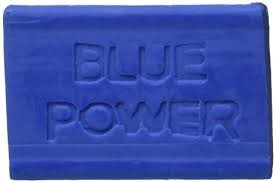
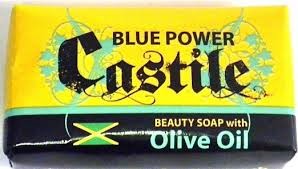
blue powerFor the six consecutive quarters, soap manufacturer, Blue Power, disappoints investors, with a fall in profit compared to the prior year’s results. For the three months to July this year, the company reported profit before tax of $21 million compared to $29 million in the same period last year, a fall of 28 percent.
Revenues for the period ended at $306 million that are up 8 percent from the $282 million for the same period last year and a big recovery from $260 million experienced during the poor April quarter.
The five-year tax-free concession the company enjoyed for listing on the junior market ended in April, resulting in an estimated tax liability of $2.19 million which reduces net profits to $18.60. The profit performance helped to generate gross cash flow from operations of $24 million versus $28 million in 2014.
While sales grew, gross profit fell and gross profit margin declined with the former falling to $64 million from $66 million and administrative and other expenses rose 14 percent to $46 million.
The contribution of Lumber Depot division to the before tax was $7.55 million and $6.09 million in 2014, while Blue Power division contributed $13.24 million and in 2014, profit of $22.6 million. Earnings per stock unit for the quarter fell from 51 cents to 33 cents.
Divisional sales had mixed fortunes with the lumber depot division enjoying an increase of $28 million to $212 million, while sales for the Blue Power division, declined by $3.5 million to $90 million in 2015 compared to July 2014 quarter. Sales for both divisions were higher in the July quarter than for April with the Lumber Depot sales also improved from $189 in April 2015 and Blue Power division from $71 million.

Blue Power jumped to a 52 weeks' high of $14 on Monday

Blue Power jumped to a 52 weeks’ high of $14 on Monday

“We attribute some of the improvements in the Lumber Depot division to the whole range of changes made in the previous six months in terms of service, advertising, web site development, etc. In the Blue Power division, we resumed sales to one of our major customers while shipping a number of containers of laundry soap to Guyana,” Dhiru Tanna CEO said in a release with the financials.
Cash and equivalent has risen to $168 million from $156 million in 2014 and receivables declined to $74 million but Inventories jumped to $266 million from $220 million while loan financing amounts to just $8.7 million.
The stock which was previously given a BUY RATED grade lost it with the declining profits and no clear indication of a strong pick up in revenues to propel profits upwards to warrant a buy rating at this time.

Undervalued Caribbean Flavours

CFF fact 2014The company seems poised to hit earnings of 65 cents per share for the June 2015 financial year, making it attractive for some short-term gains with the current price of $2.09 at a PE ratio of 3 times earnings, having earned 19 cents per share for the quarter and 43 cents for the nine months, to March 2015.
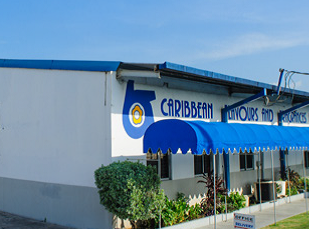
Caribbean Flavours & Fragrances enjoyed a moderate increase of 16 percent in profit for the March 2015 quarter over the similar period in 2014. The increase was helped by an improvement in gross profit margin that moved from 39.6 percent to 44 percent. Profit came in at $17.3 million for the quarter versus $15 million in the similar period in 2014. For the nine months to March, profit declined slightly from $39.7 million in 2014 to $38.9 million.
Sales were up moderately in the quarter from $62.8 million in 2014 to $67 million. For the nine months to March sales grew 11.7 percent to $210.6 million from $188.6 million but cost of sales rose faster than the growth in revenues from $111.7 million to $133.5 million in the nine months or 18.75 percent. Administrative cost increased 21 percent in the quarter, and just 2 percent for the nine months, vastly better than the high double-digit increase in the prior year. The return on average equity an attractive 33.5 percent per annum. The negative is that for its small size there is limited growth from existing operations.
The balance sheet is in a healthy state with equity of $195 million or $2.17 per share. There are no borrowed funds while current assets is $210 million versus payables of only $16 million.
The principal activity of the company is the manufacture of and distribution of flavours mainly for the beverage, baking and confectionery industries. The company also sells food colouring and fragrances.The stock is listed on the Jamaica Stock Exchange junior market and is recommended as a buy by IC Insider.

Junior market set to slip more

Caribbean Cream was the only stock to rise on Thursday

Caribbean Cream was the only stock to rise on Thursday

Trading on the Junior Market closed with only 7 securities trading, and ended with a mere 565,971 units changing hands valued at $949,659. The JSE Junior Market Index declined 12.70 points to close at 863.14, with the price of only 1 stock advancing and 3 declining with no stock closing at 52 weeks’ high.
The market seems set to fall on Friday with several stocks closing with lower asking prices than the last selling prices. At the close of the market, there were 3 stocks with bids higher than their last selling prices and 7 with lower offers. The junior market ended with 3 securities closing with no bids to buy 6 securities that had no stocks being offered for sale.
JM cht 21-5-15Stocks trading in the junior market are, Caribbean Cream finishing with 8,500 units to close with a gain of 1 cent at $1.20 but ended with the offer at $1.15, to sell 130,000 units. Caribbean Producers with 93891 shares trading, closed lower by 15 cents at $3, Consolidated Bakeries finished trading with 3,334 shares to closed unchanged at $2.04, General Accident Insurance concluded trading with 2,000 shares changing hands to close 7 cents lower at $2. Lasco Distributors traded 219,108 shares at $1.65, Lasco Financial Services finished trading with 181,412 units at $1.31. There was dealing in 57,726 Lasco Manufacturing’s shares as the stock traded lower by 7 cent to $1.30.

Cargo Handlers a nice income generator

Cargo Handlers stock has passed the $22 mark but could well go higher based on the earnings being generated. For the six months to March the Montego Bay based company racked up profit of $78.6 million, 52 percent higher than in 2014 and $38.47 million, up by 48.4 percent over the similar quarter of 2014.
CargoHandlers280X150The good net income came from operating revenues that were up 29.8 percent in the quarter to 62.7 million and 126.2 million in the six months an increase of 29.5 percent. Expenses were kept well below revenues growth at $26.16 for the quarter versus $22.5 million and for the year to date $49.3 million compared with $48 million.
Earnings per share for the quarter is 92 cents and $1.89 for the six months, the company is well on its way to rake in $4 per share for the year ending September.
The company had cash funds of $138 million at the end of March owes very little to creditors with an equity base of $231 million.
The company is primarily involved in stevedoring services and haulage of fuel and the shares trade on the junior market of the Jamaica Stock Exchange and has gained 39 percent since the start of the year.
The company paid an interim dividend per share of $1.25 on March 11, 2015 and $1.30 on September 16, 2014.

Slow Monday morning session

Stocks are off to a cautious trading in with few major price changes. JSE int 18-5-15The most significant price change is Scotia Group with a price of $25.90 up from $25.16 on Friday.
Caribbean Cement traded 227,030 at $5 compared with a close of $4.21 on Friday. Sagicor Group traded 727,037 units and the price slipped to $11 from$12 on Friday. Proven Investments 8% preference share traded 8,000 and gained 50 cents to $5.50. Interest in National Commercial Bank has slowed with the bid in to buy 100,860 at $28.20 compared with the last sale of 52,070 units at $30. Twenty six stocks have traded so far with ten from the junior market. Caribbean Cream trading 100,000 units at $1.20, Jamaican Teas 194,500 shares at $3 after languishing at $2.55 for a long time.

Another new high for juniors – Friday

The junior market has taken out resistance at 840 points and is heading for the next at 1,000

The junior market has taken out resistance at 840 points and is heading for the next at 1,000

The Junior Market surged to a new high with the JSE Junior Market Index jumping 25.80 points to close at 892.20, leaving the previous resistance level of 840 points and is now poised to be heading to the next resistance around 1,000 points with the market having broken out of the range it’s been in since late 2011.
In market activity a total of 7 securities traded, ending with 2,307,958 units changing hands valued at $5,347,133. The prices of 5 stocks advanced including 2 securities closing at 52 weeks’ high and 1 stock declined. At the close of indications are that the market should climb on Monday as there were 7 stocks with bids higher than their last selling prices and only 1 with a lower offer. The junior market ended with 4 securities closing with no bids to buy and 8 securities that had no stocks being offered for sale.
Stocks trading in the junior market are, JM qts 15-5-15 Caribbean Cream jumped 15 cents or 14.29 percent to close at a new 52 weeks’ high $1.20 with 232,000 units changing hands, Caribbean Producers with 1,141,831 shares trading 22 cents higher at $3.10 after trading at $2.88, Dolphin Cove ending with just 100 shares changing hands to close higher by 55 cents at $10.75, for a new 52 weeks’ high but the bid to buy the stock is well down at $9.20 with offer at $11. General Accident Insurance concluded with 368,166 shares changing hands, closed unchanged at $2.08 but ended with a bid for 2,432 units at $2.18. Lasco Distributors traded 92,301 shares trading, 15 cent higher, at $1.65, Lasco Financial Services finished trading with 386,539 units changing hands as the price slipped 4 cent, to $1.31. There was dealing in 87,021 Lasco Manufacturing’s shares as the stock traded 11 cents up to $1.45.

Juniors near all-time high

JM 1-5-15 indx Activity on the Junior Market closed with 6 securities trading and ending with 680,118 units changing hands valued at $867,840. The JSE Junior Market Index declined 25.07 points to close at 811.00, with the price of 3 stocks advancing and 4 declining, two stocks reached new 52 weeks high, with one hitting an all-time high.
The index is just 29 points from the all-time high of 840.18 reached in July 2013, this level is likely to be history once the Lasco companies report earnings, which should be the end of May, based on past reporting time frame. With nearly a third of the market closing with bids ahead of the last traded price, the all-time high should be easily taken out in a matter of days. The junior market is lagging the gains of the main market Jamaican stocks with gains of just 14 percent in 2015 and 33 percent from the low of July 2014, compared to 26 percent for the Main market and 39 percent respectively.
At the close of the market, there were 7 stocks with bids higher than their last selling prices and only 2 with lower offers. The junior market ended with 3 securities closing with no bids to buy and 9 securities that had no stocks being offered for sale.JM cht 1-5-15Stocks trading in the junior market are, AMG Packaging with 37,855 shares at $3, Cargo Handlers with 3,700 units at a new all time high of $20.11, after putting on 1 cent, Caribbean Producers had 501,000 shares trading at $3.10 with a gain of 10 cents, with the offer at the close, was $2.99 to buy 100,000 units. Lasco Distributors with only 1,285 shares trading, closed at $1.43, Lasco Financial Services had 134,913 units trading and ended at $1.30 with a gain of 10 cents and Lasco Manufacturing traded just 1,355 shares with a gain of 14 cents to $1.35, for a new 52 weeks’ high.

Paramount’s Q3 sales fell cost rose

Paramount_buildingDeclining sales and rising cost in the February quarter over the November quarter were the noticeable features for Paramount Trading. The result, lower profit only $26.4 million versus $49.2 million.
Profit nevertheless jumped 121 percent to $109 million for the nine months to February this year with the February quarter rising 82 percent over that of 2014.
The slippage in performance in the latest quarter came from a drop in sales to $209 million from $228 million in the November quarter and a fall in gross profit margin from 37 percent to 32 percent as cost of sales remained at roughly $146 million in both quarters. Total administrative and other expenses also rose in the last quarter over that of November by close to $6 million or 13 percent but they were lower than in the 2014 quarter as finance cost fell sharply from $8 million to only $2 million.
Total revenues rose 18 percent in the February quarter and 25 percent for the nine month period to hit $213 million and $651 million respectively.
The company reported earnings of 17 cents per share for the quarter and 71 for the nine months and is on its way to reporting profit of $1.10 per share for the current year ending in May and $1.50 for the following year.
PTL 02-15 chtFinances| Paramount has seen a slight improvement in receivables with a reduction in the number of weeks amounts are due for falling from around 10 weeks in February 2014 down to 9 weeks in 2015 even as the amount increased from $139 million to $151 million. Inventories rose to $275 million from $216 million in 2014 and cash funds rose to $79 million. Amounts due to suppliers is steady at $127 million with the 2014 year-end figures and down from the amounts due at February 2014.
The company deals mainly in chemicals and is listed on the junior market of the Jamaica Stock Exchange, the last price is $3.55, giving it a PE of 3.2 thus maintaining its BUY RATED status.