Declining sectors obscure export headway

Jamaicans have been talking about increased exports for a very long time; at best, the results have been mixed, with sharp declines in most traditional export products and new ones taking their places.
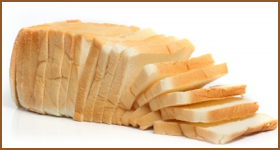
Image courtesy of dplanet/FreeDigitalPhotos.net

The mining sector comprising mostly bauxite and alumina, generated US$514 million or 36 percent less than the US$803 million in 2019, but that was just 4 percent lower than the amount earned in 2017. The closure of the alumina plant in Alpart towards the end of 2019 was the main contributor to the decline.
The country seems to be making some headway in increasing export earnings, with exports excluding sugar, coffee, scrap metals, mining and mineral exports, rising an attractive 61 percent since 2017.
The bright spots for exports are rums, up 38 percent in 4 years, yams, ackee, the three Bs – bread, biscuits, buns and cakes, sauces, beverages, chemicals and other domestic exports.

Coming tomorrow – Rum exports

Big profit recovery at Salada

SAl Mtn pkSalada Foods lost money in the final quarter of their 2013 fiscal year to September, but enjoyed a major turn around this year in the same quarter, with profit rising to $60 million after tax, from a loss of $5 million.
On the pretax basis, the change was even more impressive, with a loss of $20 million last year to a profit of $62 million in the September 2014 quarter. The final quarterly results, helped to change the fortunes of the company from declining profit for the nine months ending June this year, versus 2013 to a 19 percent increase to $105 million for the year to September this year from $88 million in 2013. The operations for the Roberts brands, Mountain Peak Processors and Primora Company reduced the pretax profits with losses of $33 million for the year, from revenues of just $8.3 million and $4.4 in 2013. Salada ended with earnings per share of $1.01.
The impressive last quarter earnings, flowed from a doubling in sales moving it from $143 million in 2013 quarter to $297 million, this year. Sales revenues grew 16 percent for the year to $736 million up from $634 million in 2013. While sales rose, interest income fell in both the quarter and the full year. Administrative expenses climbed 92 percent in the quarter and 17 percent for the year to September, but sales and marketing cost fell in both periods.
Salada changed distributorship at the start of the year. Prior to the change, the company was concerned that the former distributor was holding high levels of inventories of their product. The falloff in sales earlier in the year, the sharp uptick in the September quarter could be attributable to excess supplies in the market for coffee, being removed. The sharp increase in sales in the September quarter, should lead to higher income in the December quarter and the rest of the 2015 financial year and should raise earnings to the $1.60 per share level.
sal 9-14Receivables climbed from $67 million in 2013 to $240 million of which $201 million is owed for 30 days or less. Inventories fell from $251 million in 2013, to $227 million in 2014 but the composition is vastly different. While raw materials in 2013 amounted to $162 million, is now down to $93 million at the same time finished goods and work in progress at $44 million and $67 million respectively compared to $28 million and $36 million at the end of the year. The increase in finished goods and work in progress, along with the healthy receivables position, suggest that the sales in the September quarter are sustainable.
At the year-end cash is at $75 million accounts payable at $99 million with no interest bearing debt.
Investors can expect to see some recovery in the stock price that is now at $6.50 having fallen from $10 earlier in the year with the lower profits up to June.
the company announced that the directors would be meeting on December 5, to consider the payment of a dividend.